Professional acupuncture treatments designed to enhance pelvic blood flow and reduce stress-related symptoms. Book Appointment
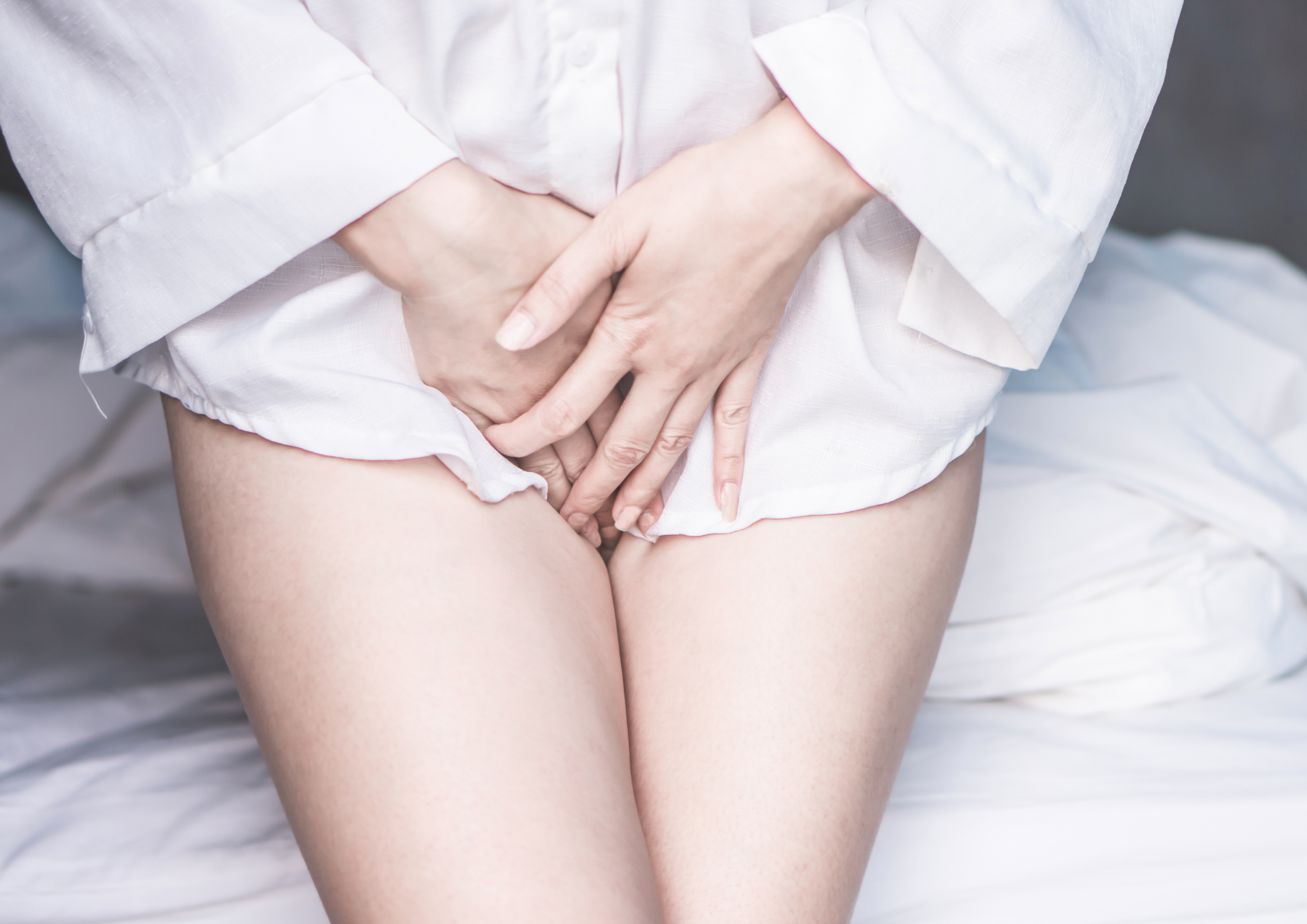
Dealing with vaginal dryness during menopause? You’re not alone. In fact, research shows that up to 50-75% of menopausal women experience this uncomfortable symptom as estrogen levels drop. The good news? There are natural remedies for vaginal dryness menopause that can help restore comfort without relying solely on medications. I’m Carine, an acupuncturist and spiritual life coach, and I’ve spent years helping women navigate menopause with holistic, gentle solutions. Let’s dive into why this happens and the best ways to find menopause vaginal dryness relief, safely and effectively.
Get expert tips on healthy living and aging gracefully at 40 and beyond from me.
Elevate Your Spirit: Receive Transformative Guidance Straight To Your Inbox
Success! Now check your email to confirm your subscription.
Understanding Vaginal Dryness in Menopause
First, why does this happen? Estrogen plays a crucial role in keeping vaginal tissues elastic, lubricated, and healthy. During menopause, declining estrogen levels thin these tissues, reduce natural moisture, and even lead to micro-tears, itching, or pain during intercourse. But menopause isn’t the only culprit. Other factors like antihistamines, stress, diabetes, or even harsh soaps can worsen dryness.
If you’ve been dealing with burning sensations or avoiding intimacy because of discomfort, you might be one of the many women who never discuss these symptoms with their doctors. It’s time to change that.
Common Treatments: What Works (and What Doesn’t)
Before we explore natural remedies for vaginal dryness during menopause, let’s touch on conventional options:
In Traditional Chinese Medicine, vaginal dryness is often connected to Kidney and Liver energy. The Kidneys are considered the root of your reproductive and hormonal health, holding what’s called your Jing, or essence, which naturally declines with age. When Kidney energy is depleted, tissues throughout the body, including vaginal tissue, can lose moisture and elasticity.
The Liver also plays a role. It’s responsible for the smooth flow of Qi and Blood throughout the body, including to the pelvic region. When Liver Qi becomes stagnant, often from chronic stress, that flow can be restricted, which may contribute to dryness and discomfort.
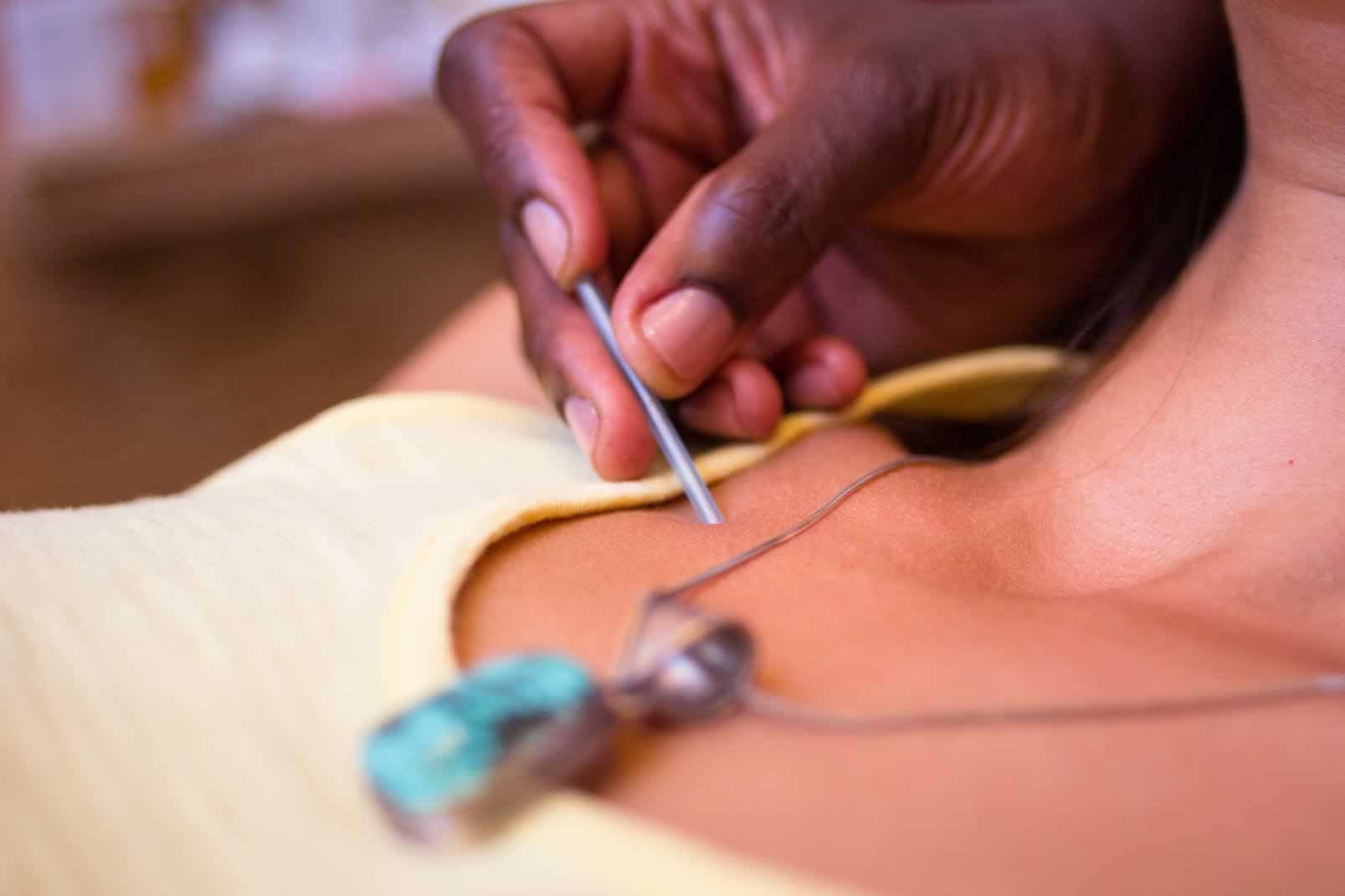
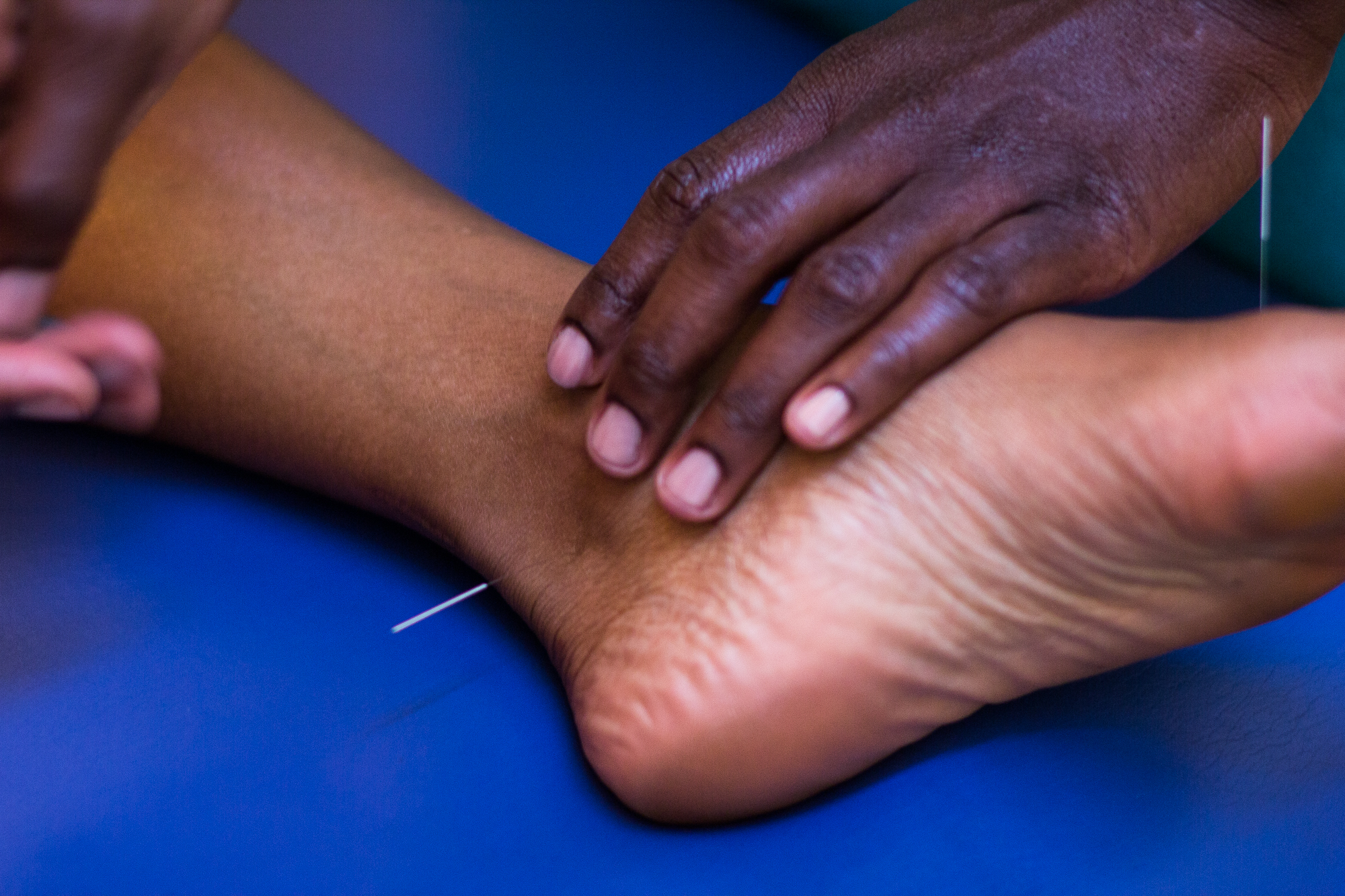
Supporting these systems through acupuncture, along with rest and nervous system regulation, works to nourish the Kidneys and keep Liver Qi moving. This is part of why vaginal health isn’t just a hormonal issue.
It’s connected to how well your whole system is resourced and flowing, and it’s the same principle behind Heart Energy is Qi: your body’s different systems are never really separate from each other. If you’re curious which Heart Energy is Qi pattern shows up most for you right now, you can find out here.
2. Hydration & Nutrition: Feed Your Tissues
You wouldn’t ignore a dry plant. Why ignore your body? Hydration is key, but certain foods also boost moisture from within:
For many women, yes. Recent research on breast cancer survivors found vaginal estrogen use was not linked to a higher risk of recurrence, but always confirm with your oncologist first.
It tends to progressively worsen over time as vaginal tissue continues to thin, so early management helps preserve comfort and function.
Final Thoughts
Finding relief from vaginal dryness during menopause is about blending science with the wisdom of your own body. Whether it’s soy for phytoestrogens, acupuncture for circulation, or gentle movement to support pelvic blood flow, small changes add up over time. Your comfort matters, and there’s no single right way to get there. If one remedy doesn’t work, try another. And if you’re feeling stuck, reach out. You don’t have to navigate this alone.
If perimenopause has dampened your sex drive, you’re far from alone. Hormonal shifts, stress, and fatigue all play a role, but there are effective, natural ways to reclaim your desire. Let’s talk about what really works.
Carine Camara is a Licensed Acupuncturist and Spiritual Life Coach with 15 years of experience, and the founder of CARRINNA in downtown Lafayette, CA. Her work blends Traditional Chinese Medicine with spiritual guidance to help clients move from blocked to flowing, supporting people through perimenopause, chronic pain, and life’s deeper transitions.