
For decades, aging—especially for women—has been framed as something to dread, a slow decline marked by loss. But what if perimenopause aging could be one of the most transformative, joy-filled chapters of your life? In Traditional Chinese Medicine, joy is the emotion of the Heart — and this transition, as disorienting as it can feel, is also an invitation to return to your heart and reclaim that joy as your birthright, not something you have to earn back.
As an intuitive acupuncturist and spiritual coach who’s walked alongside hundreds of women through this phase, I’ve witnessed firsthand how redefining perimenopause aging through the lens of Love is Qi — allowing love in wherever energy feels blocked — can spark profound personal growth.
Understanding Perimenopause Aging: A Biological Reset
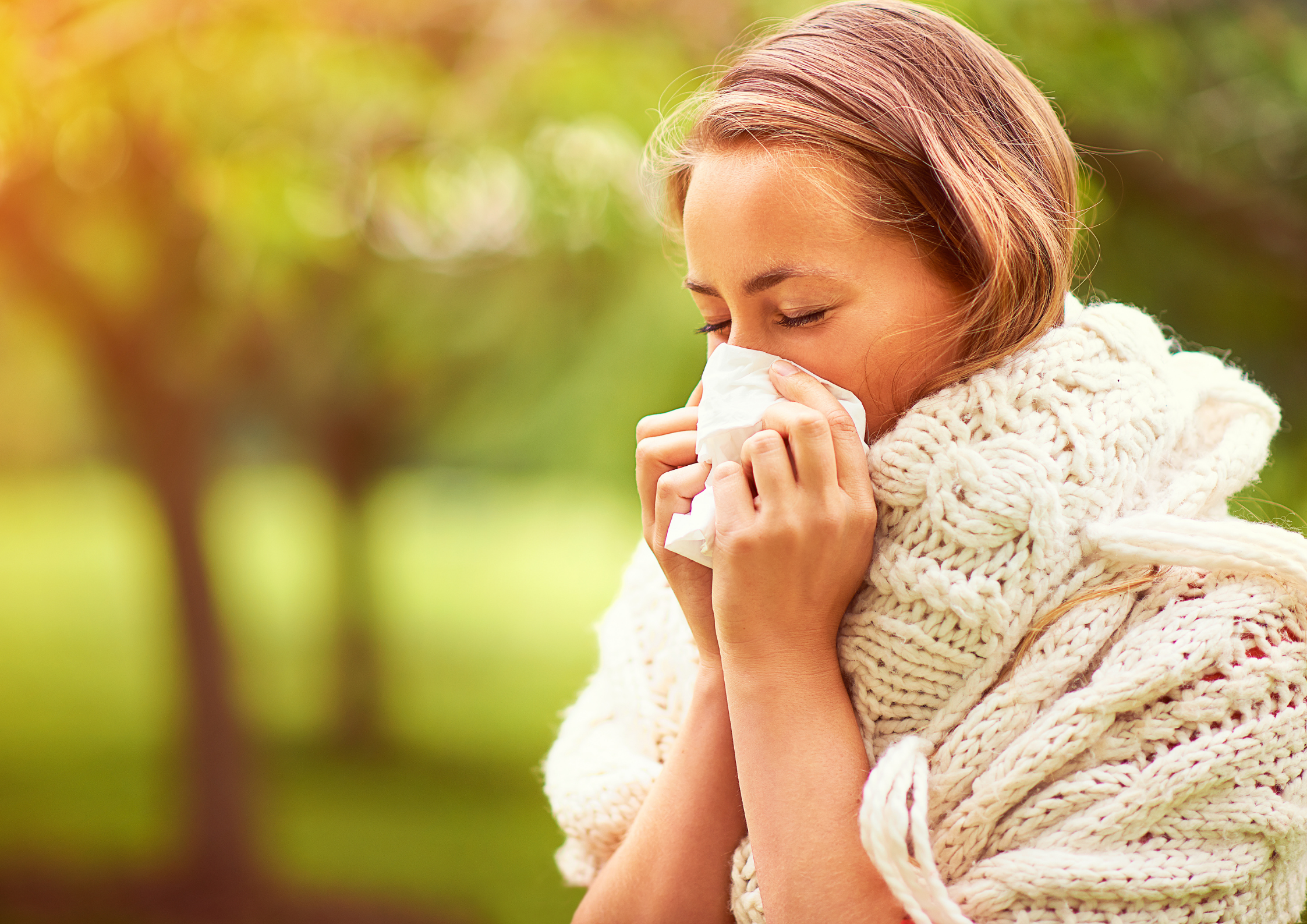
Perimenopause isn’t just “menopause lite”—it’s a years-long hormonal transition that typically starts in your late 30s to early 50s (though 45 is the average). Your ovaries gradually produce less estrogen, triggering a cascade of changes: irregular periods, hot flashes, sleep disruptions, and even mood swings that might remind you of puberty.
But here’s the key: this isn’t just about symptoms. Your body isn’t breaking down; it’s recalibrating. In TCM terms, this is Qi in motion — energy reorganizing itself for a new season of life, not energy failing you.
What to Expect: The Stages of Perimenopause
Perimenopause unfolds in overlapping phases, each with its own rhythms:
| Stage | Timeline | Common Changes |
|---|---|---|
| Early Transition | Late 30s to mid-40s | Slightly irregular cycles, occasional hot flashes, mild brain fog |
| Late Transition | Mid-40s to early 50s | More intense symptoms: night sweats, mood shifts, sleep disturbances |
| Postmenopause | 12+ months after last period | Symptoms often ease, but long-term health (like bone density) becomes a focus |
Notice I didn’t say “symptoms to suffer through.” While many women seek help for discomfort, this phase isn’t a problem to fix—it’s a transition to navigate with curiosity and, when you allow it, with heart.
Why Perimenopause Aging Isn’t Just Symptom Management
Pop culture loves to paint menopause as the end of vibrancy. But let’s flip that script. Perimenopause aging isn’t just about survival; it’s about thriving — about letting Qi flow freely again after years of holding tension you may not have even realized you were carrying.
Take mood swings. While hormonal dips can make you feel like you’re on an emotional rollercoaster, they also heighten self-awareness. That irritation when you say “no” to yet another draining commitment? It might be your Heart demanding boundaries so joy has room to exist. The grief over your changing body? A sign you’re ready to redefine beauty on your own terms, from a place of self-love rather than self-judgment.
The Emotional Landscape: Where Joy Lives in the Heart
“Can I really feel good during this chaos?” Absolutely. Hormones influence mood, but they don’t own your Heart. In TCM, joy isn’t just a fleeting feeling — it’s the natural, healthy expression of a Heart that’s open and well-nourished. When Heart Qi is blocked by stress, grief, or years of self-neglect, joy can feel distant. Perimenopause, in its own disruptive way, often cracks things open enough for that blockage to finally be addressed.
I’ve seen clients reclaim joy during this transition by:
- Reframing “brain fog” as mental decluttering — space clearing for what actually matters
- Using acupuncture to help balance hormones, calm the nervous system, and support the Heart’s natural capacity for joy
- Prioritizing laughter and lightness, even mid-hot-flash — joy isn’t the absence of discomfort, it’s love allowed back in
Embracing Solutions: Your Toolkit for Joyful, Heart-Centered Aging
Holistic care isn’t just a buzzword; it’s your foundation. Here’s what genuinely supports both body and Heart during this transition:
Move Like You Love Yourself
Strength training combats muscle loss, while yoga lowers stress. Even a 10-minute walk stabilizes blood sugar and moves Qi that’s been sitting stagnant.
Eat for Stability, Not Punishment
Swap restrictive diets for steady energy: protein and fiber at every meal, magnesium-rich foods to ease tension, and hydration to offset night sweats. Nourishing your body is itself an act of self-love.
Acupuncture: Supporting Heart and Hormones Together
In my practice, acupuncture works on both levels at once — balancing the hormones driving physical symptoms, and gently opening the Heart so that joy has somewhere to land. Many clients describe this shift simply: “I feel like myself again.”
This Is Your Invitation
Perimenopause doesn’t ask permission—it arrives when it pleases. But how you meet it, and whether you let your Heart lead the way, is entirely yours to choose. Maybe joy today means canceling plans to rest. Or finally booking that solo trip. Or simply letting love back into a part of yourself you’d stopped tending to.
So tell me: what will you reclaim in this chapter? Because perimenopause aging, met with an open heart, isn’t an ending—it’s your invitation home to joy.
Frequency Asked Questions
Perimenopause aging is the years-long hormonal transition leading into menopause, typically starting in your late 30s to early 50s. It can feel disorienting because your body is genuinely recalibrating — but in TCM terms, this shift in Qi is an invitation to reconnect with your Heart, not a sign that something is wrong.
In Traditional Chinese Medicine, joy is the natural expression of an open Heart. Years of stress, self-neglect, or unprocessed emotion can block that Heart energy, and perimenopause — disruptive as it is — often brings those blockages to the surface where they can finally be addressed.
Yes. Acupuncture supports perimenopause aging on two levels at once — balancing the hormones behind physical symptoms, and gently opening blocked Heart energy so joy has room to return.
Perimenopause generally moves through an early transition (late 30s to mid-40s, with subtle changes), a late transition (mid-40s to early 50s, with more intense symptoms), and postmenopause (12+ months after your last period), when symptoms often ease.
Small, consistent practices — movement, nourishing food, acupuncture, and simply allowing yourself moments of rest, kindness and lightness — all help Qi flow more freely and create space for the Heart’s natural joy to return.