
| Topic | Summary |
|---|---|
| ADHD in Midlife Women | Look for symptoms like difficulty concentrating, forgetfulness, and feeling overwhelmed. These may be exacerbated by hormonal changes during perimenopause and menopause. |
| Executive Functioning Challenges | Watch for struggles with prioritizing tasks, managing time, and organizing responsibilities. Use tools like planners and reminders to create structure. |
| Social and Emotional Difficulties | Be aware of relationship challenges, emotional intensity, and self-esteem issues. Seek support through therapy or support groups. |
| Diagnosis and Treatment | Consult a healthcare provider experienced in diagnosing ADHD in adult women. Consider a combination of medication, therapy, and lifestyle changes for management. |
| Recommended Service | |
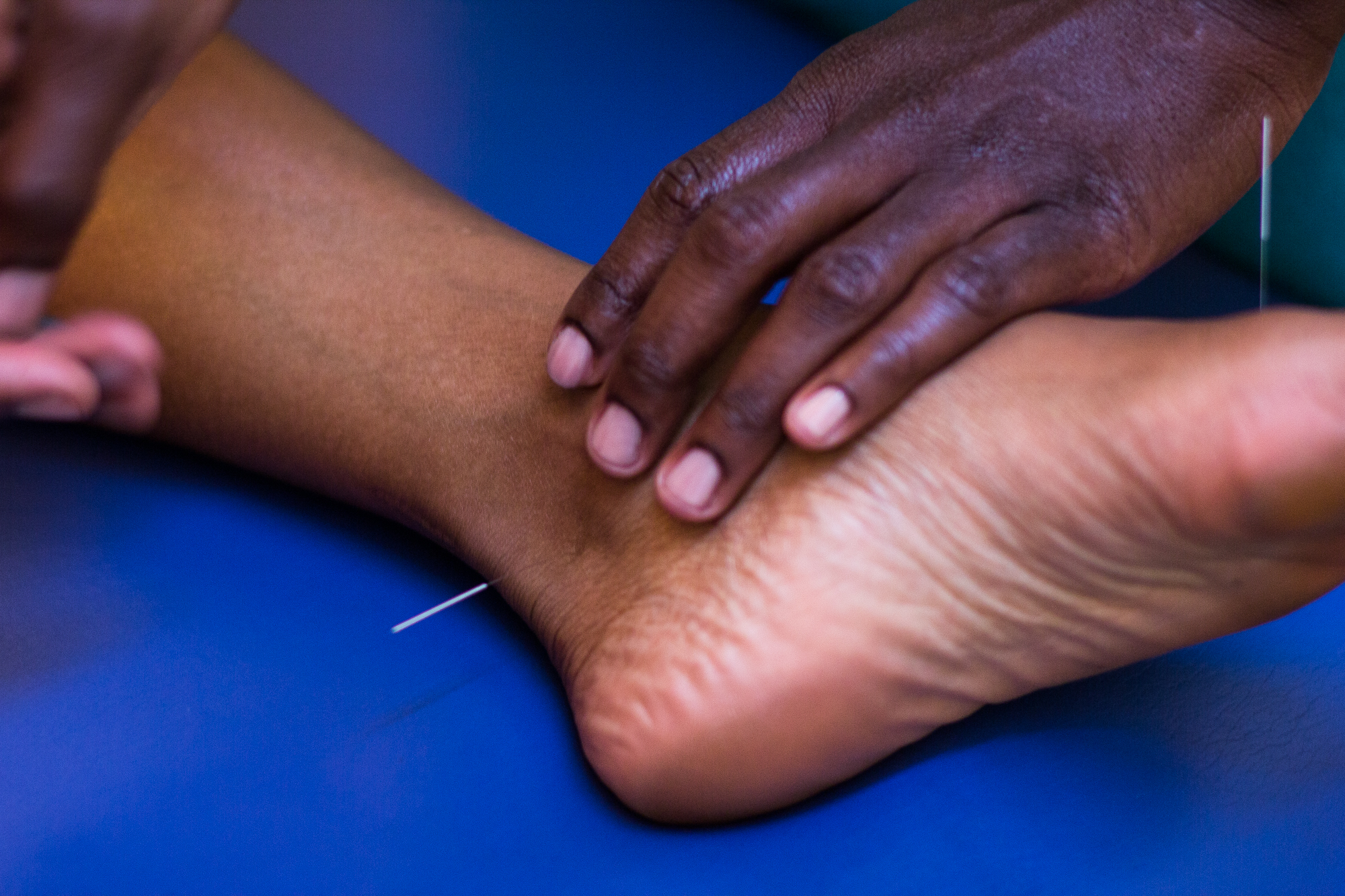
Acupuncture | Acupuncture can complement traditional ADHD treatments by helping balance body and mind, potentially alleviating some symptoms. Book A Session |

The Prevalence of ADHD in Women
Before we dive into the symptoms, let’s consider some statistics:
- Up to 13% of children have ADHD, and research suggests a meaningful number don’t outgrow it into adulthood. Because ADHD has historically been underdiagnosed in women — often masked by high-functioning coping strategies — the true number of adult women affected is likely higher than official diagnosis rates suggest
- Women diagnosed with ADHD in adulthood are more prone to depression, anxiety, sleep disorders, eating disorders, and substance use.
- Many women with ADHD struggle with low self-esteem due to years of undiagnosed challenges.
These numbers highlight the importance of recognizing and addressing ADHD in midlife women.
Hormonal Changes and Cognitive Symptoms

One of the most significant factors affecting ADHD in women during midlife is the hormonal rollercoaster that comes with perimenopause and menopause. These hormonal fluctuations can intensify ADHD symptoms, making them more noticeable and disruptive.
The Estrogen Effect
As women approach menopause, estrogen levels begin to decline. This hormonal shift can lead to:
- Increased difficulty with focus and concentration
- Heightened forgetfulness
- Feeling overwhelmed more easily
- Mood swings and irritability
These symptoms can be particularly challenging for women who are juggling multiple responsibilities at work and home. The decrease in estrogen can make previously manageable ADHD symptoms feel overwhelming and out of control.
Cognitive Fog and ADHD
Many midlife women experience what’s often referred to as “brain fog” during perimenopause and menopause. For those with ADHD, this cognitive cloudiness can be even more pronounced. You might find yourself:
- Struggling to remember names or appointments
- Having difficulty following conversations
- Feeling easily distracted during important tasks
- Experiencing a sense of mental fatigue
It’s important to note that these symptoms aren’t just “normal aging” or “women’s issues.” They could be signs of ADHD that have been masked or exacerbated by hormonal changes.
Executive Functioning Challenges in Midlife
As we enter midlife, the demands on our executive functioning skills often increase. For women with ADHD, these challenges can become particularly apparent and disruptive.
Juggling Multiple Responsibilities
Midlife often brings a perfect storm of responsibilities:
- Career advancement or career changes
- Caring for aging parents
- Supporting adult children
- Managing household tasks
- Maintaining personal relationships
For women with ADHD, balancing these responsibilities can feel like an insurmountable task. The executive functioning deficits associated with ADHD can make it difficult to:
- Prioritize tasks effectively
- Manage time efficiently
- Organize household and work responsibilities
- Maintain focus on long-term projects
- Adapt to changing schedules and demands
The “Frenzied and Frazzled” Feeling

Many midlife women with ADHD describe feeling constantly “frenzied, frazzled, and overwhelmed.” This state of perpetual overwhelm can lead to:
- Chronic stress and anxiety
- Difficulty relaxing or “turning off” the mind
- Procrastination on important tasks
- Impulsive decision-making to cope with stress
- Emotional dysregulation and mood swings
It’s crucial to recognize that these feelings aren’t a personal failing but rather a symptom of ADHD intersecting with the unique challenges of midlife.
Social and Emotional Difficulties
ADHD doesn’t just affect cognitive functioning; it can also have a significant impact on social and emotional well-being, especially for midlife women.
Relationship Challenges
Women with ADHD may face unique difficulties in their personal relationships:
- Difficulty maintaining long-term friendships due to forgetfulness or inconsistency
- Struggles in romantic relationships due to communication issues or impulsivity
- Challenges in parenting, particularly with organization and consistency
- Feeling overwhelmed by social obligations and expectations
Emotional Intensity and Rejection Sensitivity
Many women with ADHD experience emotions more intensely than their neurotypical peers. This can manifest as:
- Heightened sensitivity to criticism or perceived rejection
- Intense emotional reactions to everyday situations
- Difficulty regulating emotions, leading to mood swings
- Increased vulnerability to anxiety and depression
The Impact on Self-Esteem
Years of undiagnosed ADHD can take a toll on a woman’s self-esteem. By midlife, many women with ADHD have internalized negative messages about their abilities and worth. This can lead to:
- Chronic feelings of inadequacy
- Imposter syndrome in professional settings
- Reluctance to pursue personal goals or dreams
- Self-sabotaging behaviors
Recognizing these emotional and social challenges is crucial for proper diagnosis and treatment of ADHD in midlife women.
Misdiagnosis and Missed Diagnosis: A Common Problem
One of the most significant issues facing midlife women with ADHD is the high rate of misdiagnosis or missed diagnosis. Several factors contribute to this problem:
Masking and Compensation
Many women with ADHD have developed coping mechanisms over the years that can mask their symptoms. These might include:
- Obsessive list-making and planning to compensate for poor working memory
- Overworking to meet expectations and hide difficulties
- Avoiding situations that highlight their challenges
- Relying heavily on support systems to manage daily tasks
While these strategies can be effective in the short term, they often become unsustainable as the demands of midlife increase.
Comorbid Conditions
ADHD in women often coexists with other mental health conditions, which can complicate diagnosis. Common comorbidities include:
- Anxiety disorders
- Depression
- Bipolar disorder
- Eating disorders
- Substance use disorders
Healthcare providers may focus on treating these conditions without recognizing the underlying ADHD.
Gender Bias in Diagnosis
Historically, ADHD has been seen as a condition primarily affecting boys and men. This bias can lead to:
- Dismissal of ADHD symptoms in women as “hormonal” or “emotional” issues
- Lack of recognition of how ADHD presents differently in women
- Insufficient screening for ADHD in women presenting with mood or anxiety disorders
Recognizing ADHD Symptoms in Midlife Women
To address the issue of underdiagnosis, it’s crucial to understand how ADHD typically manifests in midlife women. Here are some key symptoms to look out for:
Inattention and Distractibility
- Difficulty sustaining attention during conversations or meetings
- Easily distracted by external stimuli or internal thoughts
- Trouble completing tasks, especially those requiring sustained mental effort
- Frequently losing important items like keys, phones, or documents
Hyperactivity and Restlessness
While the hyperactivity often associated with ADHD may look different in adult women, it can still be present:
- Feeling constantly “on the go” or driven by an internal motor
- Difficulty sitting still for extended periods
- Fidgeting, tapping, or restless movements
- Talking excessively or interrupting others in conversation
Impulsivity
- Making important decisions without proper consideration
- Engaging in risky behaviors, especially in areas like spending or relationships
- Difficulty waiting one’s turn or interrupting others
- Saying things without thinking, leading to social difficulties
Executive Functioning Issues
- Chronic disorganization at home and work
- Poor time management and frequent lateness
- Difficulty initiating tasks or procrastination
- Trouble prioritizing and multitasking effectively
Emotional Dysregulation
- Mood swings and irritability
- Difficulty managing stress and frustration
- Low frustration tolerance
- Intense emotional reactions that seem disproportionate to the situation
If you recognize several of these symptoms in yourself or someone you know, it may be worth seeking a professional evaluation for ADHD.
Seeking Diagnosis and Treatment
If you suspect you may have ADHD, the first step is to seek a comprehensive evaluation from a healthcare provider experienced in diagnosing ADHD in adult women. This process typically involves:
- A detailed medical and psychological history
- Assessment of current symptoms and their impact on daily life
- Screening for co-occurring conditions like anxiety and depression
- Consideration of hormonal factors and life stressors
Treatment Options
Once diagnosed, there are several treatment options available for midlife women with ADHD:
- Medication: Stimulant and non-stimulant medications can be effective in managing ADHD symptoms. Your healthcare provider can help determine the best option for you, considering factors like hormonal changes and potential interactions with other medications.
- Cognitive Behavioral Therapy (CBT): This type of therapy can help develop coping strategies for managing ADHD symptoms and addressing associated emotional challenges.
- Coaching: ADHD coaches can provide practical support in developing organizational skills, time management techniques, and strategies for managing daily life with ADHD.
- Lifestyle Changes: Regular exercise, a balanced diet, and good sleep hygiene can significantly improve ADHD symptoms.
- Support Groups: Connecting with other women who have ADHD can provide valuable emotional support and practical advice.
Alternative Approaches
In addition to traditional treatments, many women find relief through complementary approaches. At CARRINNA, we offer services that can support ADHD management alongside medical care:
- Acupuncture: Traditional Chinese Medicine approaches, including acupuncture, can help calm an overactive nervous system and support hormonal balance — both of which can intensify ADHD symptoms during midlife.
- Spiritual Life Coaching: For many women, years of masking ADHD symptoms take a real emotional toll. Spiritual coaching offers dedicated space to process that history with self-compassion, rebuild self-trust, and develop a more grounded relationship with your own mind.
While these approaches shouldn’t replace medical treatment for ADHD, they can be valuable additions to a comprehensive management plan.
Empowering Midlife Women with ADHD
Living with ADHD as a midlife woman can be challenging, but it’s important to remember that ADHD also comes with unique strengths. Many women with ADHD are:
- Highly creative and innovative
- Empathetic and intuitive
- Energetic and passionate
- Able to hyper-focus on tasks they find engaging
By understanding and embracing these positive aspects of ADHD, women can learn to harness their strengths while managing their challenges.
Strategies for Success
Here are some strategies that can help midlife women thrive with ADHD:
- Embrace Your Unique Brain: Recognize that your ADHD brain works differently, and that’s okay. Find ways to work with your natural tendencies rather than against them.
- Develop a Support System: Surround yourself with people who understand and support you. This might include family, friends, therapists, or ADHD support groups.
- Create Structure: Use tools like planners, apps, and reminders to help manage your time and tasks.
- Practice Self-Compassion: Be kind to yourself when you struggle. Remember that ADHD is a neurological condition, not a personal failing.
- Prioritize Self-Care: Make time for activities that recharge you, whether it’s exercise, meditation, or creative pursuits.
- Educate Your Loved Ones: Help your family and close friends understand ADHD and how it affects you.
- Advocate for Yourself: Don’t be afraid to ask for accommodations at work or in your personal life that can help you manage your ADHD more effectively.