Perimenopause Bloating: Why It Happens and Holistic Remedies

Share

Key Takeaways

Topic Summary
Hormonal Fluctuations Estrogen dominance and progesterone drops disrupt gut function, causing water retention and slowed digestion during perimenopause.
Bloating-Constipation Link Slowed gut motility promotes food fermentation and microbiome imbalances, connecting these digestive symptoms.
Dietary Triggers High-sodium foods, gas-producing veggies, and processed sugars amplify hormonal digestive disruptions.
Holistic Strategies Fiber balance, hydration, gentle exercise, and stress management address root causes of digestive issues.
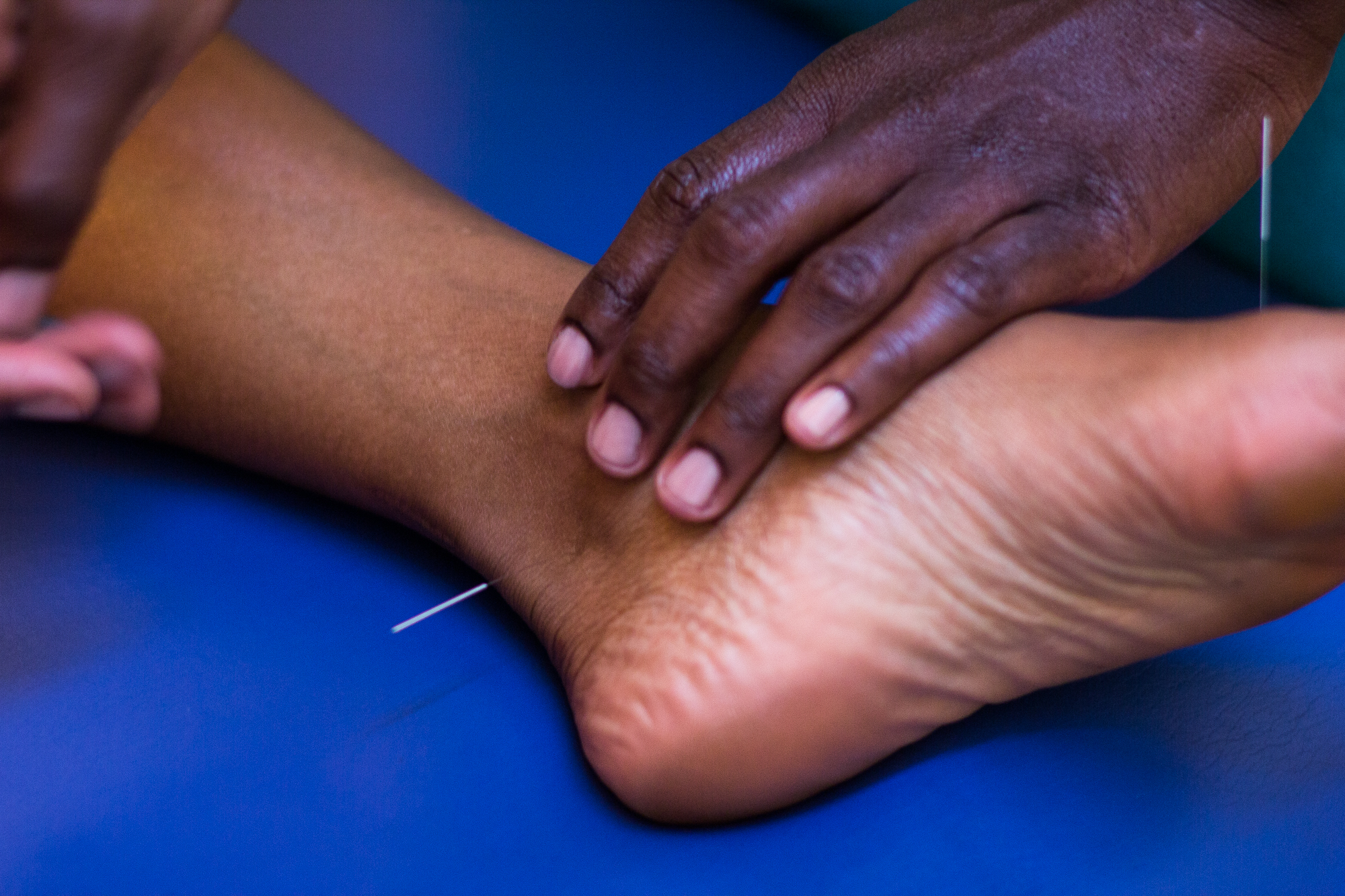
Acupuncture Benefits Regulates gut-brain axis, improves bowel motility, and helps balance hormones naturally through targeted points.
Recommended Service
Acupuncture2 ACUPUNCTURE Ease perimenopause bloating and constipation with target acupuncture and herbal support designed to restore digestive balance and calm the nervous system.Book an Acupuncture Session

If you’re in perimenopause and wondering why bloating and constipation have suddenly become relentless, you’re not alone. As an intuitive acupuncturist and spiritual coach, I see this struggle daily. The truth is, these symptoms aren’t just “bad luck”—they’re deeply tied to hormonal shifts, gut health, and lifestyle factors. Let’s explore why bloating and constipation worsen in perimenopause — a holistic approach that goes beyond quick fixes.

Hormonal Fluctuations: The Root of Bloating Perimenopause

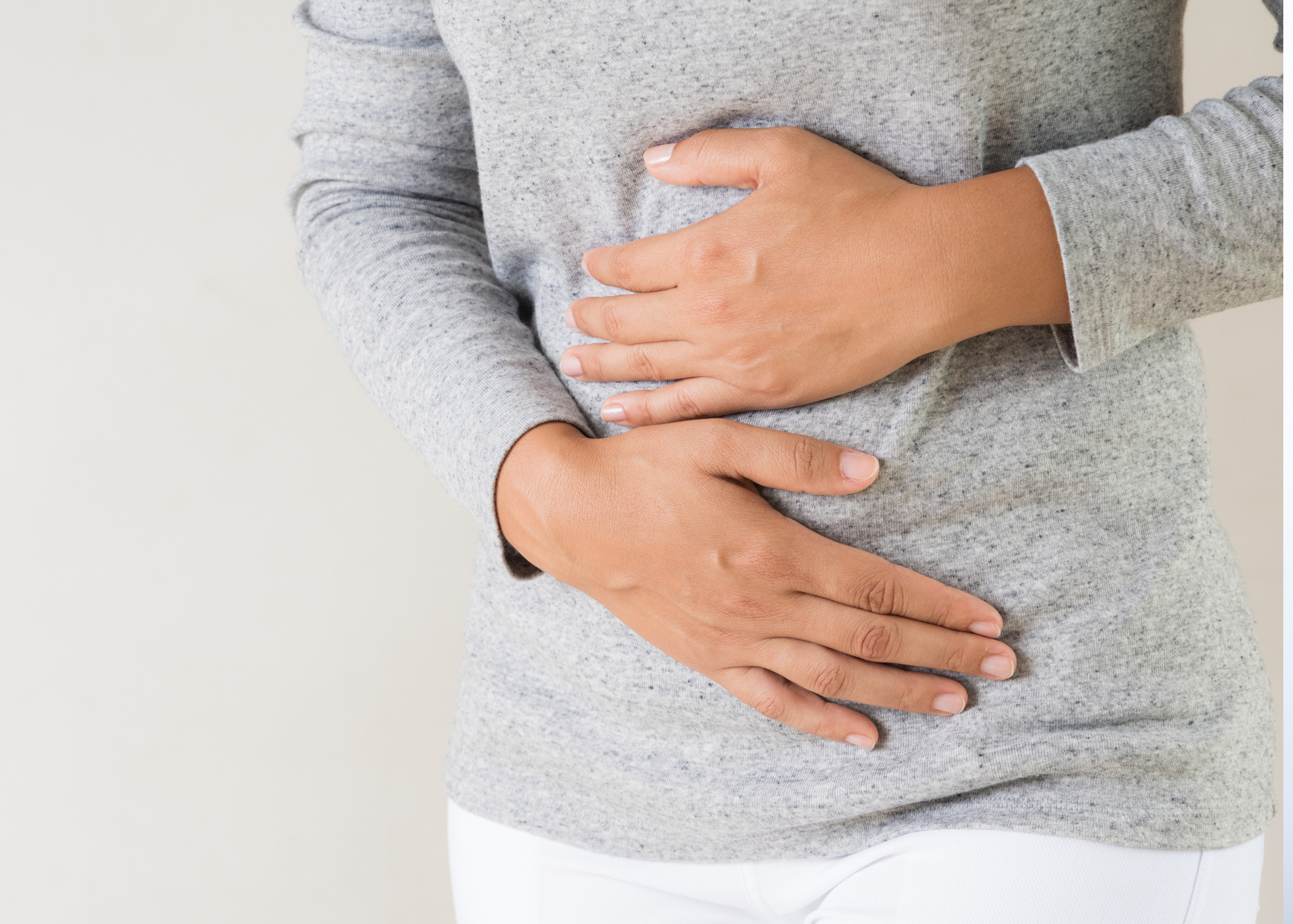
Ever notice your belly feels swollen or digestion slows down around hormonal shifts? That’s no coincidence. Estrogen and progesterone—your body’s key reproductive hormones—do more than regulate cycles; they directly impact your gut.

  • Estrogen dominance (common in early perimenopause) can cause water retention and sluggish digestion, leading to bloating.
  • Progesterone drops slow gut motility, making constipation worse.

When these hormones fluctuate erratically, your digestive system struggles to keep up. The result? Bloating perimenopause becomes a frustrating hallmark of this transition.

Website image

Get expert tips on healthy living and aging gracefully at 40 and beyond from me.

Join Our Spiritual Wellness Journey: Subscribe for Weekly guidance & Insights

Elevate Your Spirit: Receive Transformative Guidance Straight To Your Inbox

Why Bloating Perimenopause and Constipation Often Go Hand-in-Hand

Here’s the thing: bloating isn’t just about belly puffiness. When gut motility slows (thanks to hormonal shifts), food spends more time fermenting in your intestines. This creates gas, bloating, and—you guessed it—constipation.

Research shows up to 39% of perimenopausal women experience constipation due to these changes. Add in shifts in your gut microbiome (your digestive system’s bacterial ecosystem), and symptoms compound. The good news? Understanding this link helps you address both issues effectively.

Common Triggers That Worsen Symptoms

While hormones set the stage, daily habits often fan the flames.

Dietary Triggers:

    • High-sodium foods (water retention)

    • Cruciferous veggies, beans (gas-producing)

    • Processed sugars and refined carbs (gut inflammation)

Lifestyle & Stress:

Chronic stress ramps up cortisol, which disrupts gut function. Plus, dehydration and sedentary habits slow digestion further.

Even HRT (hormone replacement therapy) can influence bloating in some women. Tracking triggers helps you personalize your approach.

A Holistic Strategy: Diet, Lifestyle, and Mind-Body Shifts

Nutrition That Supports Digestion

    • Fiber balance: Too little worsens constipation; too much causes gas. Aim for 25–30g daily with flaxseeds, chia, and cooked veggies.

    • Hydration: Start your day with warm lemon water to stimulate digestion.

    • Gut-friendly foods: Fermented foods (sauerkraut, kefir) support microbiome health.

Movement and Stress Management

    • Gentle exercise (yoga, walking) stimulates gut motility.

    • Breathwork (diaphragmatic breathing) reduces bloating by calming the nervous system.

Acupuncture for Perimenopausal Bloating and Constipation

As an acupuncturist, I’ve seen how this ancient practice can rewire digestive dysfunction during perimenopause. Here’s how:

    • Regulates gut-brain communication: Acupuncture lowers stress hormones (like cortisol) that disrupt digestion.

    • Improves gut motility: Studies show it enhances bowel movements in constipated patients.

    • Balances hormones naturally: Points like SP6 (Spleen 6) and ST36 (Stomach 36) support hormonal harmony.

In my practice, women combining acupuncture with dietary tweaks report less bloating, better digestion, and fewer hormone-related crashes.

Integrating Acupuncture with Self-Care

Acupuncture works best as part of a broader plan:

Strategy Benefit Example
Herbal Support Reduces inflammation, supports motility Peppermint tea for bloating
Sleep Hygiene Balances cortisol, aids digestion Prioritizing 7–8 hours nightly
Stress Relief Lowers gut-disrupting tension Acupuncture + daily meditation

If you’re struggling with perimenopause bloating and constipation, remember: small, consistent changes create the biggest shifts. Listen to your body, track patterns, and consider holistic therapies like acupuncture to restore balance—without harsh interventions.

Need tailored advice? Let’s connect. I’m here to help you navigate this phase with clarity and confidence.

Frequency Asked Questions

Perimenopause bloating happens largely due to estrogen dominance and dropping progesterone, which slow gut motility and cause the body to retain water — leaving digestion sluggish and the belly feeling swollen.

Yes. When perimenopause bloating develops, it’s often because slowed gut motility causes food to ferment longer in the intestines, producing gas and making constipation more likely — the two symptoms tend to show up together.

High-sodium foods, gas-producing vegetables like broccoli and beans, and processed sugars can all intensify perimenopause bloating, especially when hormones are already disrupting normal digestion.

Yes. Acupuncture may ease perimenopause bloating by calming the gut-brain connection, lowering cortisol, improving bowel motility, and supporting natural hormone balance through points like Spleen 6 and Stomach 36.

Balanced fiber intake (25–30g daily), staying hydrated, gentle movement like walking or yoga, and stress-reduction practices like breathwork can all help ease perimenopause bloating alongside treatments like acupuncture.

Share
Pin
Tweet
Related

Perimenopause Insomnia: Causes and Acupuncture Relief

If you’re in perimenopause and tossing and turning every night, you’re not alone. Hormonal shifts can wreak havoc on sleep, but acupuncture might be the relief you need. Here’s how it works and why many women swear by it.

Perimenopause Anger: From Rage to Renewal

Perimenopause anger can feel overwhelming—like a sudden storm of frustration you can’t control. Hormonal shifts play a big role, but there are ways to manage it. Here’s what’s really happening and how to find calm again.

Comments

What do you think?

instagram:

This error message is only visible to WordPress admins

Error: No feed with the ID 2 found.

Please go to the Instagram Feed settings page to create a feed.