Share
In this Article
Key Takeaways
| Topic | Summary |
|---|---|
| Hormonal Link to Digestion | 73% of perimenopausal women experience digestive symptoms due to estrogen/progesterone fluctuations affecting gut motility and microbiome balance. |
| Hormonal Disruption Mechanisms | Progesterone dominance slows digestion, estrogen drops reduce serotonin-driven motility, and cortisol spikes worsen gut lining integrity. |
| Standard Treatment Shortcomings | Probiotics and dietary changes often fail to address root hormonal causes of perimenopause digestive issues. |
| Acupuncture’s Multifaceted Approach | Targets liver qi stagnation and spleen qi deficiency through hormone regulation (SP6/ST36 points), stress reduction, and gut lining repair. |
| Integrative Lifestyle Strategies | Combines acupuncture with fiber-rich foods, stress management, and electrolyte hydration for comprehensive relief. |
| Long-Term Relief Potential | 60-80% of women achieve sustained digestive improvement through hormonal rebalancing with acupuncture. |
| Recommended Services and Products | |
East Bay Acupuncture ![]() |
Professional acupuncture treatments specifically addressing perimenopause symptoms and hormonal digestive issues. Book Appointment |
If you’re experiencing bloating, constipation, or heartburn out of nowhere, don’t dismiss it as just another quirk of aging. Those sneaky perimenopause digestive issues aren’t random—they’re tied directly to the hormonal chaos happening in your body. As an acupuncturist who’s helped hundreds of women navigate this transition, I’ve seen firsthand how shifting estrogen and progesterone levels throw digestion off balance. But here’s the good news: acupuncture offers a science-backed way to recalibrate your gut and hormones.
Get expert tips on healthy living and aging gracefully at 40 and beyond from me.
Join Our Spiritual Wellness Journey: Subscribe for Weekly guidance & Insights
Elevate Your Spirit: Receive Transformative Guidance Straight To Your Inbox
Success! Now check your email to confirm your subscription.
The Link Between Perimenopause and Digestive Issues
Does it feel like your stomach has a mind of its own these days? You’re not imagining it. Research shows 73% of women in perimenopause report digestive symptoms, from bloating to erratic bowel movements. Here’s why:
- Estrogen and progesterone, the hormones that regulate your cycle, also influence gut motility, stomach acid production, and even the gut-brain connection.
- When these hormones plummet—estrogen can drop by 30-50% during perimenopause—your digestion pays the price. Low estrogen slows gut motility (hello, constipation), while hormonal swings trigger inflammation, making conditions like IBS worse.
How Hormonal Changes Disrupt Digestion
Let’s break it down:
1. Gut Motility Grinds to a Halt
Progesterone acts like a brake on your digestive tract. Higher levels (common in perimenopause’s rollercoaster phases) can lead to bloating and sluggish digestion. Meanwhile, estrogen helps regulate serotonin—a neurotransmitter that keeps things moving. Less estrogen often means fewer bowel movements.
2. Stress Worsens the Problem
Cortisol, your stress hormone, spikes when estrogen drops. This double whammy slows digestion further and weakens gut lining integrity, leading to leaky gut and food sensitivities.
3. The Microbiome Misfires
Your gut houses 100 trillion microbes that thrive on estrogen. As levels decline, the balance of “good” vs. “bad” bacteria shifts, often causing gas, indigestion, or diarrhea.
Common Symptoms You Might Recognize:
| Symptom | Hormonal Trigger |
|---|---|
| Bloating | Progesterone dominance |
| Constipation | Low estrogen, high cortisol |
| Acid reflux | Weakened esophageal sphincter (estrogen-dependent) |
| Food sensitivities | Gut microbiome imbalance |
Why Standard Fixes Fall Short
Pop a probiotic or cut out gluten, and you might see slight relief—but if the root cause is hormonal, you’re treating the symptom, not the source. That’s where acupuncture shines.
Acupuncture for Perimenopause Digestive Issues: How It Works
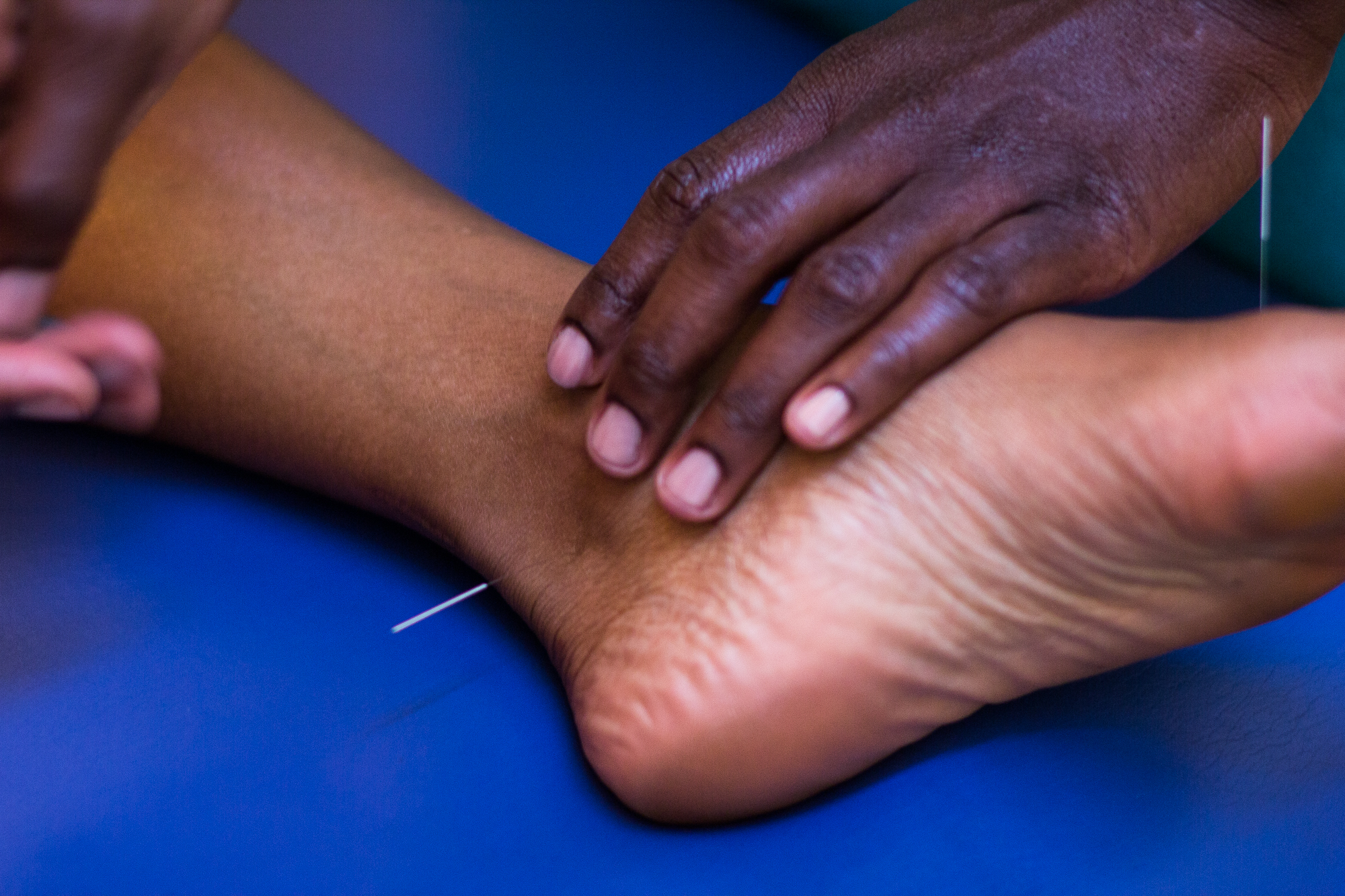
Traditional Chinese Medicine (TCM) views digestion as intertwined with liver qi stagnation (think: hormonal congestion) and spleen qi deficiency (weak digestion). Acupuncture addresses both by:
- Regulating Hormones: Points like Sanyinjiao (SP6) and Zusanli (ST36) stimulate the endocrine system to balance estrogen and progesterone.
- Reducing Stress: Needles lower cortisol, easing the gut-brain axis and improving motility.
- Supporting Gut Repair: Studies show acupuncture strengthens intestinal lining and reduces inflammation linked to bloating and IBS.
Clinically Proven Benefits:
- 60-80% of women report fewer digestive symptoms with regular acupuncture.
- It outperforms antacids and fiber supplements for long-term relief because it targets hormonal drivers.
Integrating Acupuncture with Nutrition and Lifestyle
For lasting results, pair acupuncture with these gut-friendly habits:
- Fiber-Rich Foods: Think flaxseeds, lentils, and oats to feed estrogen-metabolizing gut bacteria.
- Stress Management: Daily 10-minute meditation lowers cortisol’s impact on digestion.
- Hydration with Electrolytes: Magnesium (in leafy greens or supplements) counteracts constipation.
The Bottom Line
Perimenopause digestive issues aren’t forever. By combining acupuncture for hormonal balance with targeted diet shifts, you can reset your gut and sail through this transition with far fewer surprises.
Ready to turn the tide on bloating and discomfort? Let’s get your hormones—and digestion—back in sync.