Professional acupuncture therapy designed to balance hormones and alleviate perimenopausal symptoms for enhanced well-being. Book Appointment
If you’re in your 40s or early 50s, you may already know that perimenopause and low libido often go hand in hand. You’re not alone, and you don’t have to accept it as an inevitable part of aging. There are natural, holistic ways to rekindle desire, and I’m going to walk you through exactly how.
Get expert tips on healthy living and aging gracefully at 40 and beyond from me.
Elevate Your Spirit: Receive Transformative Guidance Straight To Your Inbox
Success! Now check your email to confirm your subscription.
Understanding Perimenopause: The Hormonal Roller Coaster
Perimenopause is the transition phase leading up to menopause (when you’ve gone 12 months without a period). It can start as early as your mid-30s, though most women notice shifts in their 40s. During this time, your hormones (estrogen, progesterone, and testosterone) fluctuate unpredictably. These changes don’t just affect your periods; they also influence your mood, energy, and yes, your sex drive during perimenopause.
Key Hormonal Shifts and Their Impact on Libido
Estrogen: Dips can lead to vaginal dryness, making sex uncomfortable, which naturally kills desire.
Progesterone: Rising and falling levels may leave you feeling tired or irritable, dampening interest in intimacy.
Testosterone: Though often thought of as a ‘male’ hormone, women need it for sexual motivation, and it declines during this phase.
So, if you’re wondering, “Why does libido drop in perimenopause?” Hormones are a big piece of the puzzle, but not the whole picture.
The Heart-Uterus Connection: Why Desire Starts Deeper Than Hormones
There’s a reason low libido during perimenopause can feel like more than a physical issue. In Traditional Chinese Medicine, the Bao Mai, or Uterus Vessel, is the channel that links the Heart directly to the uterus, carrying Qi and Blood between the two. The Heart holds your Shen, your spirit and sense of aliveness, and when that connection to the pelvic floor and uterus feels distant, desire often feels distant too.
In Western terms, this pathway mirrors the Hypothalamic-Pituitary-Ovarian axis, the hormonal feedback loop between your brain and ovaries that regulates estrogen and progesterone. Stress, burnout, and nervous system dysregulation can disrupt this communication in both frameworks, which is part of why calming the nervous system is often just as important as balancing hormones directly.
This is part of why Heart Energy is Qi: your capacity for desire, connection, and pleasure isn’t separate from your emotional and spiritual state. It’s wired together.
A simple way to connect with it: Place one hand on your heart and the other on your lower belly, just above the pelvic bone. Breathe in, imagining the breath traveling from your belly up to your heart, then breathe out, letting it travel back down. Repeat a few times whenever you need to feel more grounded and connected in your body.
If you’re curious which Heart Energy is Qi pattern shows up most for you right now, you can find out here.
Perimenopause Low Libido: More Than Just Hormones
While hormones play a starring role, they’re not the only culprits. A few other factors matter just as much:
Emotional and Mental Factors
Stress and fatigue: Juggling work, family, and aging parents? Chronic stress spikes cortisol, which can smother desire.
Body image changes: Weight shifts or skin changes might make you feel less confident in the bedroom.
Relationship Dynamics
Unresolved conflicts, mismatched desire with your partner, or simply falling into a routine can dull the spark. Emotional intimacy is just as important as physical touch. If you don’t feel connected outside the bedroom, it’s hard to feel aroused inside it.
Move your body: Strength training and cardio help balance insulin and cortisol, which indirectly supports libido.
Consider adaptogens: Herbs like maca root or ashwagandha may help, but always check with a practitioner first.
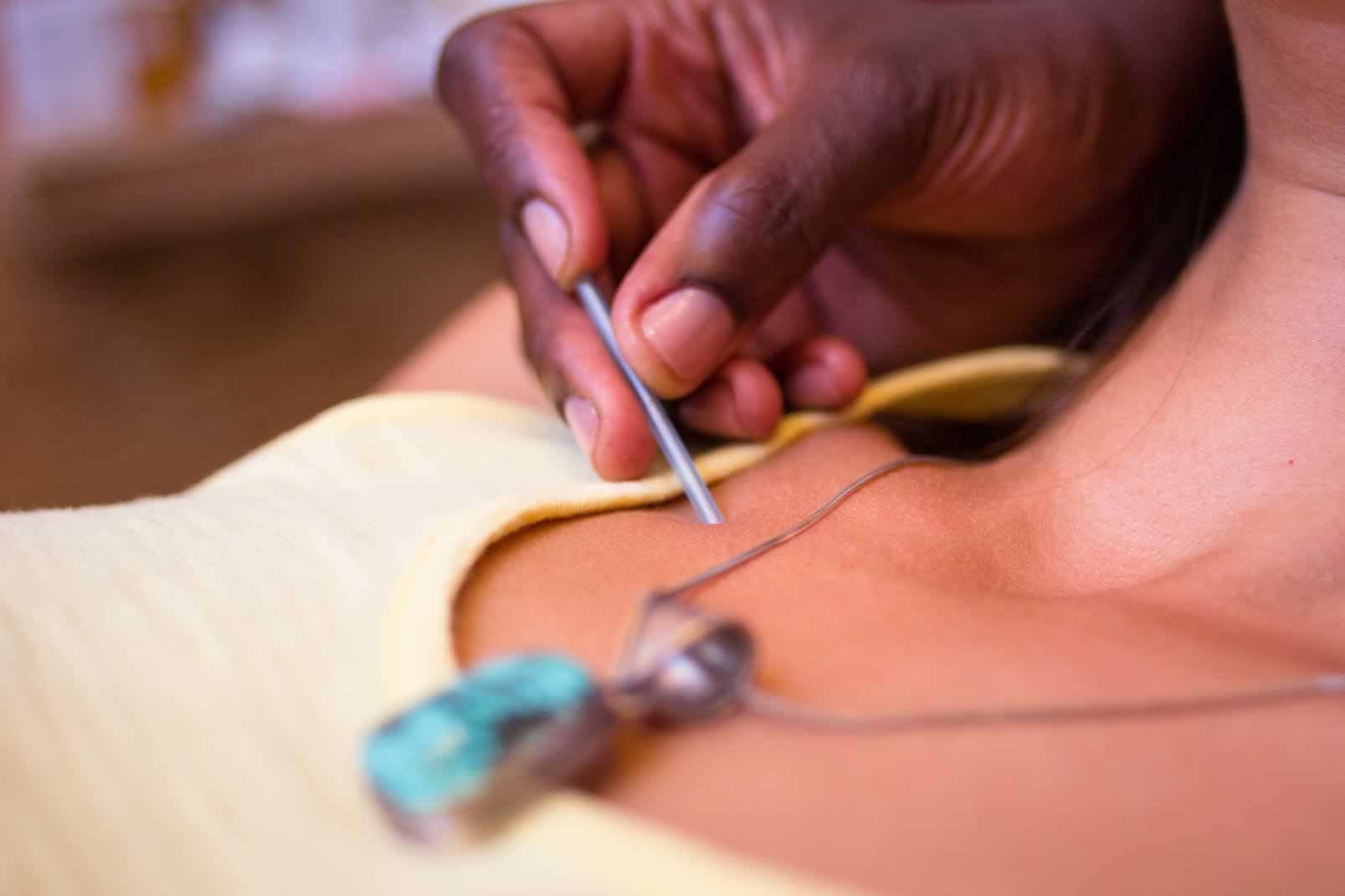
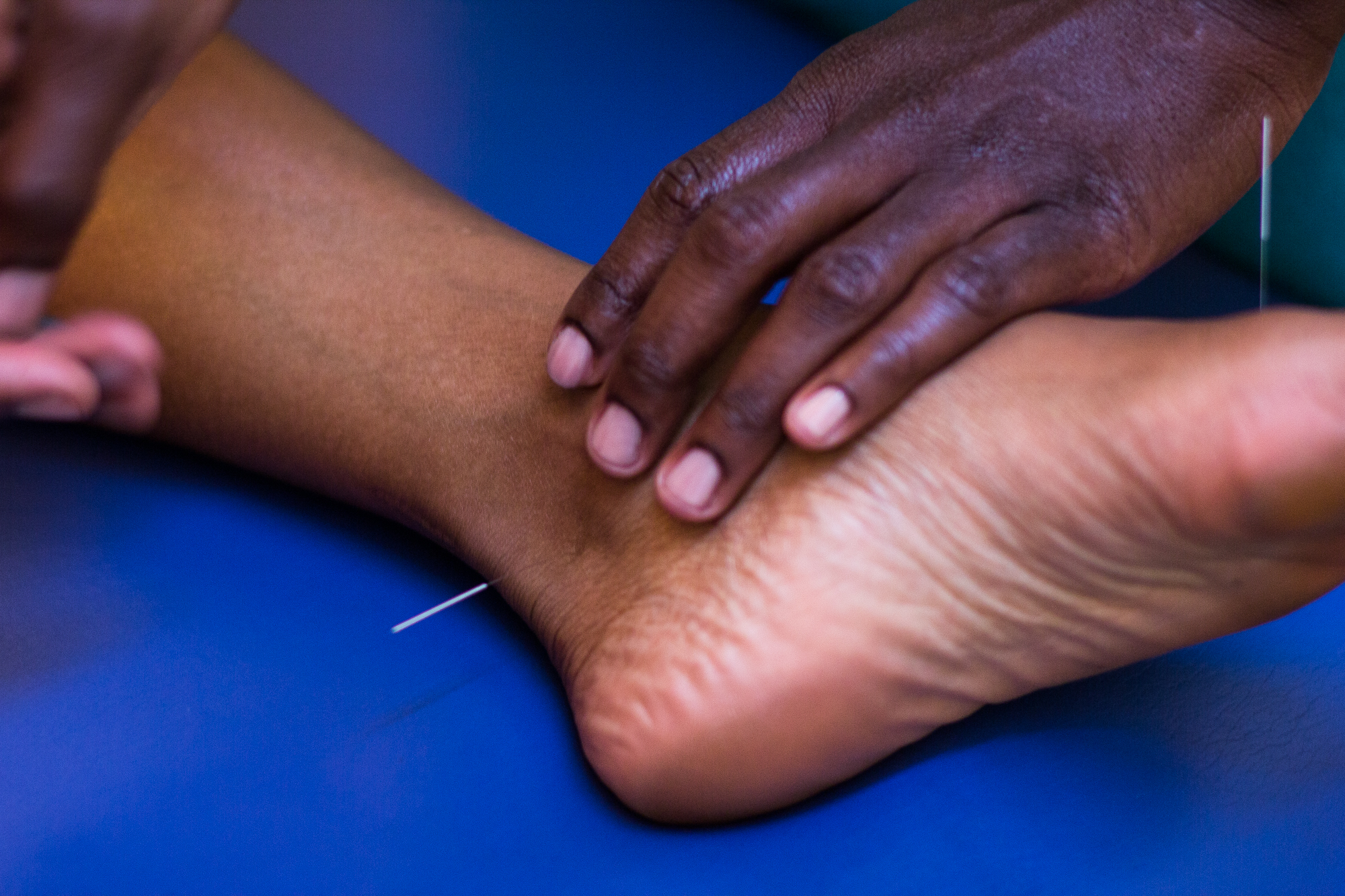
2. Acupuncture for Hormone Balance
Acupuncture is often used to help reduce stress and support overall wellbeing during perimenopause. Research suggests it may offer modest relief for hot flashes, and small studies have found early evidence for improved sexual desire. Larger, higher-quality studies are still needed, but both benefits may help support libido during perimenopause.
3. Nervous System Support
Chronic stress is a major suppressor of libido. Try:
Some women find maca root helpful or DHEA supplementation helpful, but always consult a healthcare provider. What works for one person may not for another.
For some women, yes. Clinical research on testosterone therapy has shown improvements in sexual desire and satisfying sexual activity compared with placebo, though it isn’t currently FDA-approved for this specific use in the U.S. A menopause-savvy provider can help you weigh the options.
Need personalized guidance? Let’s talk—I help women navigate this transition with confidence. 💜
Vaginal dryness during menopause can make everyday life uncomfortable, but natural solutions are available. Here’s what actually works: plant-based remedies, simple lifestyle changes, and small daily shifts that add up, so you can feel like yourself again.
To provide the best experiences, we use technologies like cookies to store and/or access device information. Consenting to these technologies will allow us to process data such as browsing behavior or unique IDs on this site. Not consenting or withdrawing consent, may adversely affect certain features and functions.
Functional
Always active
The technical storage or access is strictly necessary for the legitimate purpose of enabling the use of a specific service explicitly requested by the subscriber or user, or for the sole purpose of carrying out the transmission of a communication over an electronic communications network.
Preferences
The technical storage or access is necessary for the legitimate purpose of storing preferences that are not requested by the subscriber or user.
Statistics
The technical storage or access that is used exclusively for statistical purposes.The technical storage or access that is used exclusively for anonymous statistical purposes. Without a subpoena, voluntary compliance on the part of your Internet Service Provider, or additional records from a third party, information stored or retrieved for this purpose alone cannot usually be used to identify you.
Marketing
The technical storage or access is required to create user profiles to send advertising, or to track the user on a website or across several websites for similar marketing purposes.
Carine Camara is a Licensed Acupuncturist and Spiritual Life Coach with 15 years of experience, and the founder of CARRINNA in downtown Lafayette, CA. Her work blends Traditional Chinese Medicine with spiritual guidance to help clients move from blocked to flowing, supporting people through perimenopause, chronic pain, and life’s deeper transitions.