
Share
In this Article
Key Takeaways
| Topic | Summary |
|---|---|
| Hormonal Shifts | Declining estrogen and testosterone changes cause fat redistribution to the abdomen as inflammation-prone visceral fat. |
| Metabolism Changes | Muscle loss and hormonal fluctuations slow metabolic rate, reducing fat-burning efficiency. |
| Stress Impact | Elevated cortisol from chronic stress and poor sleep promotes abdominal fat storage and disrupts hunger hormones. |
| Nutrition Strategies | Prioritize protein, fiber, and anti-inflammatory fats to stabilize blood sugar and combat visceral fat. |
| Movement & Recovery | Strength training preserves muscle mass while stress-reduction techniques and quality sleep regulate cortisol. |
| Recommended Services and Products | |
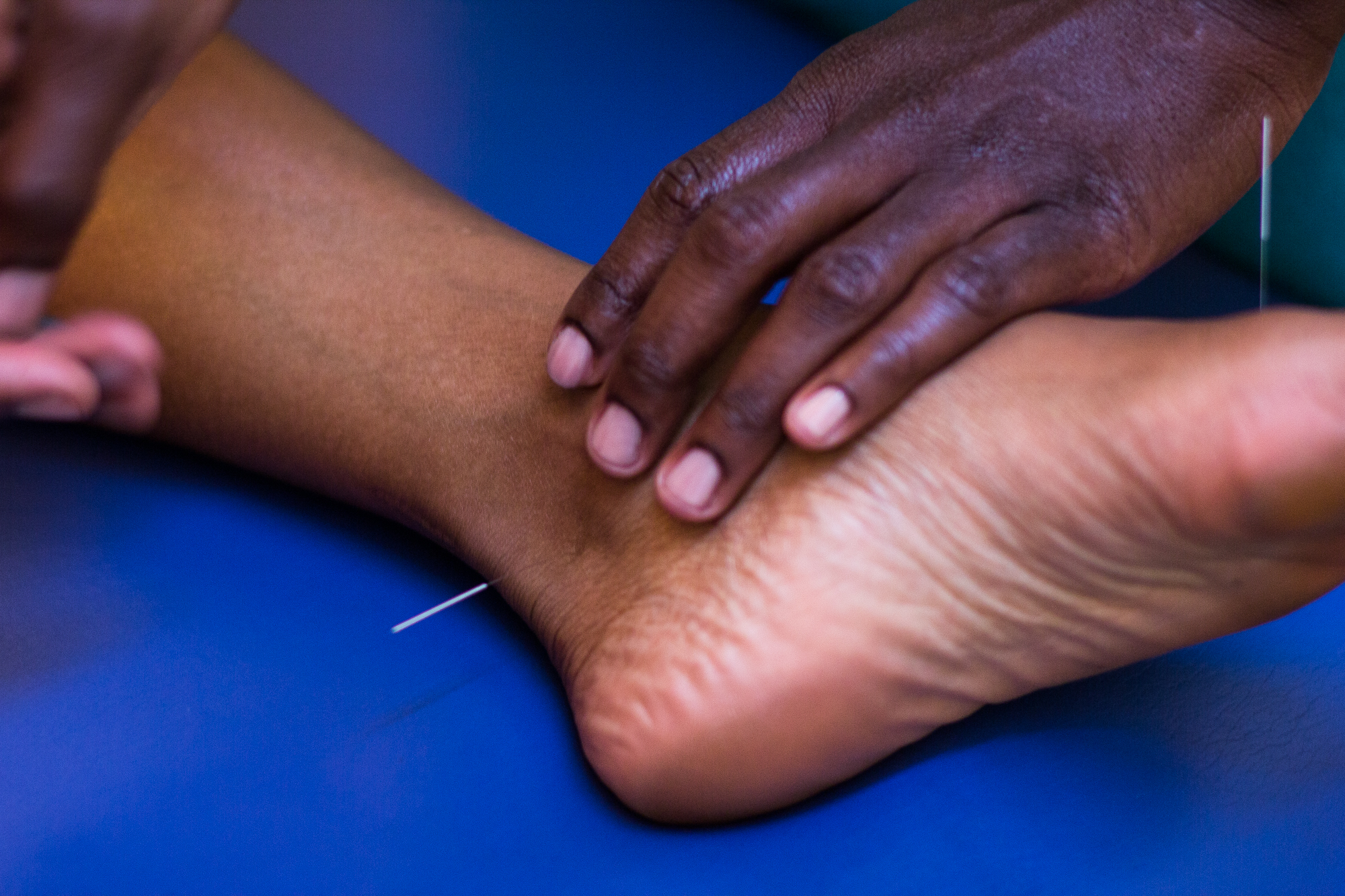
Traditional Acupuncture![]() |
Chinese Medicine-based treatments to balance hormones, reduce stress, and support metabolic health during perimenopause. Book Appointment |
If you’re noticing your jeans fitting tighter around the waistline during perimenopause, you’re not alone—and it’s not a personal failure. Perimenopause belly fat is a common and biologically driven change, thanks to shifting hormones, slowing metabolism, and life stresses. The good news? You can manage it naturally without drastic measures. Let’s break down why this happens and how to support your body through this transition.

Get expert tips on healthy living and aging gracefully at 40 and beyond from me.
Join Our Spiritual Wellness Journey: Subscribe for Weekly guidance & Insights
Elevate Your Spirit: Receive Transformative Guidance Straight To Your Inbox
Success! Now check your email to confirm your subscription.
Why Perimenopause Belly Fat Happens
1. Hormones Are Shifting—And Fat Redistributes
During perimenopause, estrogen declines while testosterone becomes more dominant (even though overall levels drop too). This hormonal reshuffling tells your body to store fat around the abdomen instead of the hips and thighs—an evolutionary leftover meant to protect reproductive organs.
Ever wonder why your belly feels “harder”? That’s visceral fat. Unlike subcutaneous fat (the soft layer under skin), visceral fat wraps around organs and pumps out inflammatory compounds, raising risks for heart disease and insulin resistance.
2. Metabolism Slows Down—But Not Just from Age
Muscle mass naturally declines as we get older, and since muscle burns more calories at rest than fat, your metabolic rate dips. But here’s the kicker: hormonal fluctuations in perimenopause exacerbate this. Lower estrogen means your body burns fat less efficiently, making weight management trickier.
3. Stress and Cortisol Turn Up the Heat
Juggling career, family, and midlife transitions? Chronic stress spikes cortisol, a hormone that literally encourages fat storage around your midsection. Add sleep disruptions (thanks, night sweats!), and your hunger hormones—ghrelin and leptin—get thrown off, leading to cravings for sugary, high-carb foods.
Natural Ways to Manage Perimenopause Belly Fat
Nutrition: Balance Your Plate for Hormonal Harmony
Forget extreme diets. Focus on:
- Protein: Supports muscle retention and keeps you full. Aim for 20–30g per meal (think eggs, lentils, fish).
- Fiber: Stabilizes blood sugar. Veggies, chia seeds, and berries are great.
- Anti-inflammatory fats: Avocados, walnuts, and olive oil combat visceral fat’s inflammatory effects.
Pro tip: Swap processed snacks for whole foods. Insulin resistance worsens with refined carbs, so opt for complex ones like quinoa or sweet potatoes.
Movement: Strength Training Is Your Friend
Cardio alone won’t cut it. Muscle loss drives metabolic slowdown, so:
- Lift weights 2–3x/week (even light dumbbells count).
- Walk daily—it lowers cortisol and aids digestion.
- Try yoga or Pilates to de-stress while toning.
Stress Management: Cortisol Control Is Key
High stress = stubborn belly fat. Try:
- Acupuncture: Balances hormones, reduces stress, and improves energy (I’ve seen clients shed inches without drastic diet changes).
- Breathwork: 5 minutes of deep breathing lowers cortisol.
- Mindfulness: Even a short meditation can curb emotional eating.
Sleep: The Missing Piece
Poor sleep messes with hunger hormones and cortisol. Prioritize:
- Consistent bedtimes (yes, even on weekends).
- Cooling your room to combat night sweats.
- Cutting caffeine after noon.
Your Body Is Changing—And That’s Okay
This isn’t about “fixing” your body. It’s about working with it. Perimenopause belly fat isn’t a sign of failing—it’s a sign your hormones are doing their job (just not always in your favor). By focusing on metabolism-supporting foods, strength training, stress relief, and rest, you’re not just targeting belly fat; you’re boosting long-term energy and health.
And hey, if you’ve ever thought, “Why can’t I lose belly fat during perimenopause like I used to?”—now you know. It’s not you; it’s the transition. Small, consistent shifts add up. Start with one change today.