Heart palpitations during perimenopause are common, affecting up to 42% of perimenopausal women (and as many as 54% of postmenopausal women) (scoping review, 2022).
Hormonal Causes
Fluctuating estrogen and progesterone disrupt autonomic nervous system function, directly impacting heart rhythm regulation.
Warning Signs
Chest pain, shortness of breath, fainting, or prolonged episodes require immediate medical evaluation.
Acupuncture Benefits
Regulates autonomic nervous system, improves heart rate variability, and reduces stress hormones that trigger palpitations.
Holistic Approach
Combining acupuncture with lifestyle changes (caffeine reduction, hydration, sleep hygiene) yields optimal results within 4-6 sessions.
Specialized intuitive acupuncture sessions targeting perimenopausal symptoms like heart palpitations through energy balancing and nervous system regulation.Book Appointment
If you’re in your 40s or 50s and suddenly feel your heart skip, flutter, or race for no apparent reason, you’re not alone. Heart palpitations in perimenopause are incredibly common—and yes, they can be frightening. But before you panic, let’s talk about why they happen, when they’re truly worrisome, and how acupuncture can help bring your nervous system (and your heart rhythm) back into balance.
Get expert tips on healthy living and aging gracefully at 40 and beyond from me.
Elevate Your Spirit: Receive Transformative Guidance Straight To Your Inbox
Success! Now check your email to confirm your subscription.
What Do Heart Palpitations in Perimenopause Feel Like?
You might describe them as a sudden pounding, fluttering, or skipped beat in your chest—sometimes out of nowhere. Some women feel like their heart is racing even when they’re sitting still or lying down at night. Others notice their pulse suddenly feels stronger or more irregular. Sound familiar? You’re not imagining it.
Here’s the thing: Heart palpitations perimenopause episodes are often brief, lasting seconds to minutes, and frequently coincide with other hormonal symptoms like hot flashes, night sweats, or anxiety. But why?
Why Hormones Mess With Your Heart Rhythm
Estrogen plays a huge role in regulating your nervous system and blood vessels. As it fluctuates and declines during perimenopause, your autonomic nervous system—the part that controls your heart rate—can get a little out of whack. This imbalance can lead to palpitations, especially if you’re stressed, sleep-deprived, or in the middle of a hot flash.
Progesterone (another hormone that drops during perimenopause) also helps stabilize your heart. Without it, some women feel more sensitive to caffeine, alcohol, or even intense exercise, all of which can trigger palpitations.
When Should You Worry?
Most of the time, heart palpitations perimenopause episodes are harmless. But there are red flags that need immediate attention:
Chest pain or pressure
Shortness of breath
Fainting or near-fainting
Palpitations lasting several minutes or getting worse
If you experience any of these, see a doctor right away to rule out serious conditions like arrhythmias, thyroid issues, or heart disease.
How Acupuncture Can Calm Heart Palpitations in Perimenopause
So, how can acupuncture help? Traditional Chinese Medicine (TCM) views palpitations as an imbalance in the heart’s energy—often linked to stress, anxiety, or hormonal shifts.
In TCM, the Heart doesn’t just pump blood — it houses the Shen, your spirit and sense of calm presence.
When Shen is well-anchored, your heart rhythm feels steady, even in stressful moments.
As hormones shift during perimenopause, Blood and Yin — the substances that root the Shen in place — can run low.
When Blood and Yin run low, the spirit becomes unsettled, and the heart flutters, races, or skips without warning.
This is why palpitations so often arrive alongside anxiety, insomnia, or that wired-but-tired feeling.
It’s not four separate problems — it’s one pattern of an unanchored Shen asking to be nourished and steadied again.
From a Western perspective, acupuncture works by:
Regulating the autonomic nervous system (shifting you out of “fight-or-flight” mode).
Improving circulation and heart rate variability, which helps stabilize rhythm.
A 2022 randomized trial found that acupuncture reduced heart rate and shifted the nervous system toward a calmer, more parasympathetic state in menopausal women, easing menopausal symptoms overall.
What an Acupuncture Treatment Looks Like
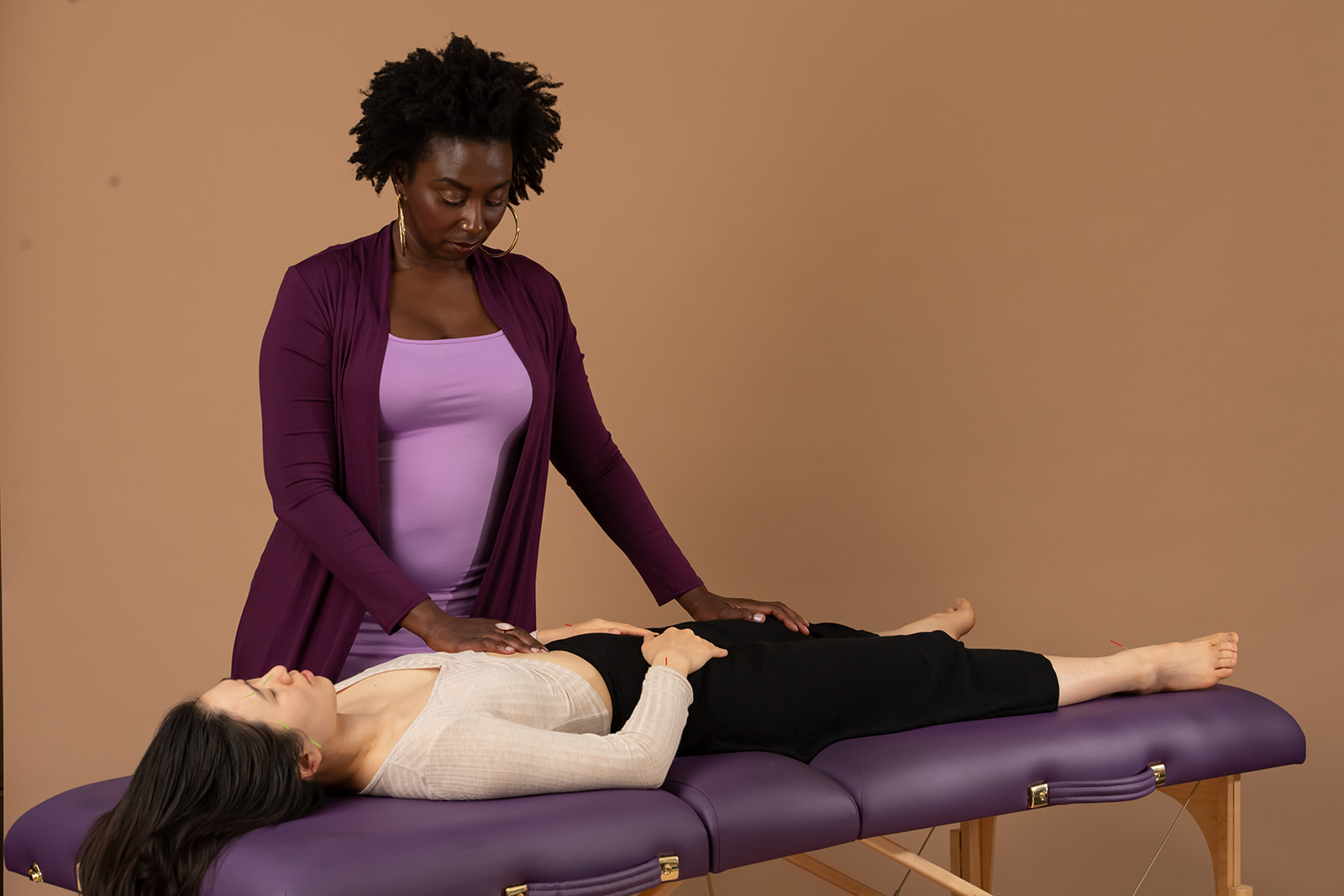
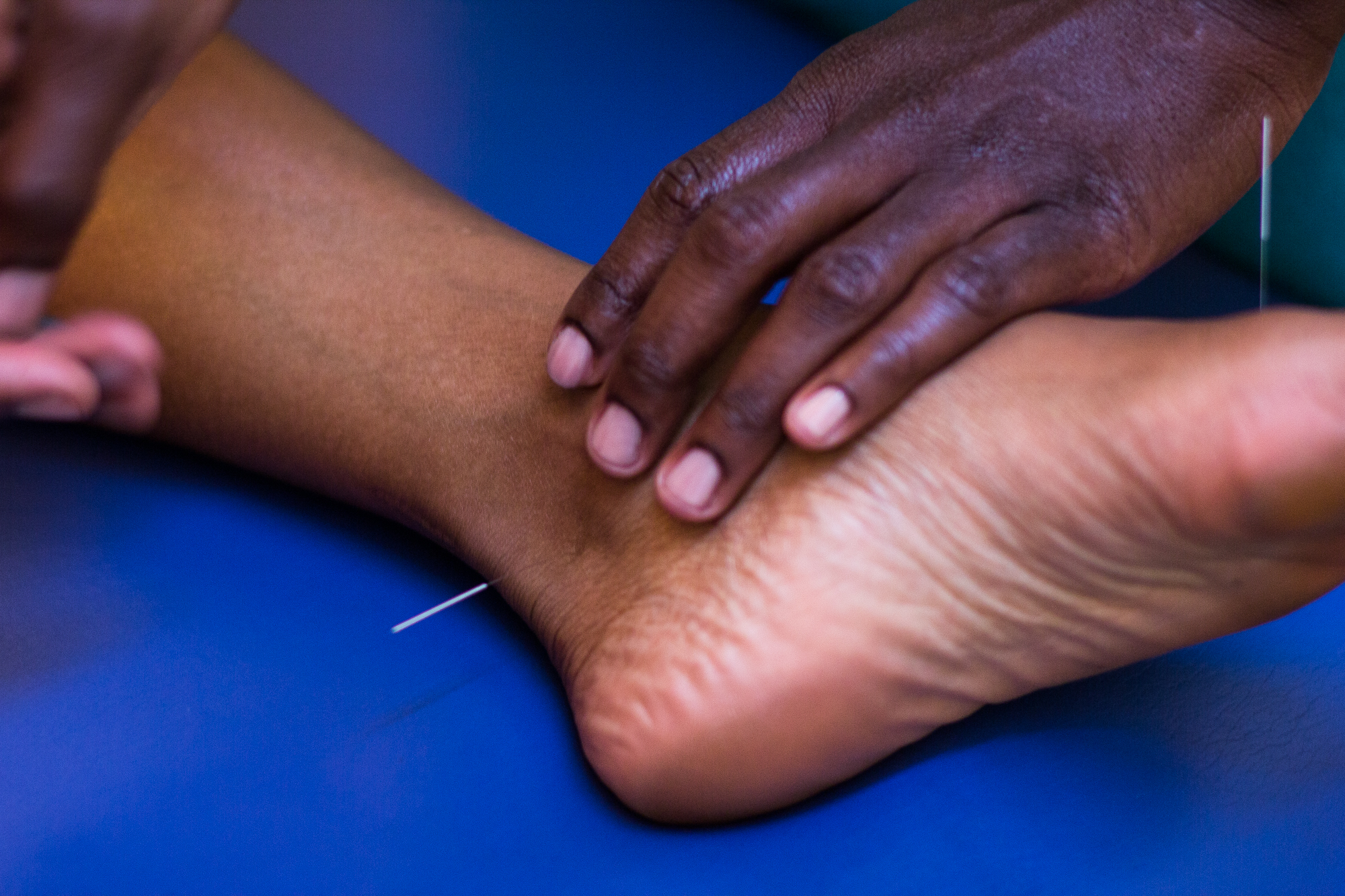
We’ll first discuss your symptoms, stress levels, and overall health. Then, ultra-fine needles (you’ll barely feel them!) are placed at specific points to:
Balance heart function
Ease anxiety
Improve sleep and hormonal fluctuations
Most women start noticing improvements within 4-6 sessions, especially when combined with lifestyle tweaks (more on that next).
Lifestyle Tweaks to Reduce Palpitations
While acupuncture helps, small daily changes can make a big difference:
Heart palpitations during perimenopause are common, affecting up to 40% of perimenopausal women (and as many as 54% of postmenopausal women) (systematic review, 2021).
If you experience chest pain, fainting, or episodes lasting several minutes, seek medical evaluation right away to rule out arrhythmias, thyroid issues, or heart disease.
Lying down shifts your body into a more parasympathetic state, which can actually make a racing or fluttering heart more noticeable — especially if hormonal shifts, night sweats, or stress are already present. It’s rarely a sign of anything dangerous, but it can make falling back asleep harder.
Palpitations are usually a physical symptom on their own — a flutter, skip, or racing heart with no other trigger. A panic attack tends to bring a wave of fear or dread alongside the racing heart, plus symptoms like shortness of breath or a sense of doom. If you’re unsure which you’re experiencing, it’s worth discussing with your doctor.
For many women, yes — stabilizing estrogen levels through HRT can reduce the autonomic nervous system swings that trigger palpitations. It’s worth a conversation with your doctor to see if it’s the right fit alongside acupuncture and lifestyle changes.
Final Thought: Heart palpitations in perimenopause can feel scary, but they’re often manageable. The key? Listen to your body, rule out serious causes, and explore holistic support like acupuncture—because you deserve to feel calm and in control during this transition.
Vaginal dryness during menopause can make everyday life uncomfortable, but natural solutions are available. Here’s what actually works: plant-based remedies, simple lifestyle changes, and small daily shifts that add up, so you can feel like yourself again.
If perimenopause has dampened your sex drive, you’re far from alone. Hormonal shifts, stress, and fatigue all play a role, but there are effective, natural ways to reclaim your desire. Let’s talk about what really works.
Carine Camara is a Licensed Acupuncturist and Spiritual Life Coach with 15 years of experience, and the founder of CARRINNA in downtown Lafayette, CA. Her work blends Traditional Chinese Medicine with spiritual guidance to help clients move from blocked to flowing, supporting people through perimenopause, chronic pain, and life’s deeper transitions.