Professional acupuncture treatments targeting hormonal balance and nervous system regulation to alleviate perimenopause mood symptoms. Book Appointment
If you’re in your late 30s to early 50s and suddenly feeling like your emotions are hijacked—whether by relentless anxiety or explosive rage—you’re not imagining it. Perimenopause anxiety vs rage is a real, hormonally driven experience affecting millions of women. And while these mood swings can feel overwhelming, understanding the difference—and knowing how to manage them—can bring real relief.
Get expert tips on healthy living and aging gracefully at 40 and beyond from me.
Elevate Your Spirit: Receive Transformative Guidance Straight To Your Inbox
Success! Now check your email to confirm your subscription.
Perimenopause Anxiety vs Rage: What’s Happening in Your Body?
Perimenopause isn’t just about hot flashes and irregular periods. It’s a 4-10-year hormonal transition where estrogen and progesterone fluctuate wildly, directly impacting your brain chemistry.
Estrogen influences serotonin (your “feel-good” neurotransmitter) and GABA (which calms your nervous system). When estrogen drops, anxiety often spikes.
Progesterone, your natural “chill pill,” also declines, making irritability and anger harder to control.
Cortisol, your stress hormone, becomes more reactive, lowering your threshold for frustration and worry.
The result? You might feel like you’re either constantly on edge (anxiety) or ready to snap at the smallest thing (rage)—sometimes both in the same day.
Perimenopause Anxiety vs Rage: How to Spot the Difference
While both stem from hormonal chaos, they show up differently:
Symptom
Anxiety
Rage
Emotional Feel
Fear, dread, overthinking, “waiting for the other shoe to drop”
Sudden fury, irritability, feeling “possessed” by anger
Physical Signs
Racing heart, tight chest, insomnia, panic sensations
Jaw clenching, muscle tension, heat surges, urge to lash out physically
Behavior
Avoidance, withdrawal, seeking reassurance
Snapping, slamming doors, explosive outbursts
Example: Anxiety-dominant: You lie awake at 3 AM replaying a work email, convinced you sounded rude. Rage-dominant: Your partner leaves dishes in the sink again, and you scream into a towel.
Sound familiar?
The TCM Lens: Qi in Motion vs. Qi in Retreat
In Traditional Chinese Medicine, we don’t just see anxiety and rage as two symptoms of the same hormonal shift — we see them as Qi moving in opposite directions.
Rage is Liver Qi that has become stagnant and then breaks free all at once, like a river that’s been dammed until it overflows. It’s often tied to the Wood element: think growth, boundaries, and the frustration of energy that has nowhere to go.
Anxiety, by contrast, is closer to unsettled Shen — the spirit housed in the Heart losing its anchor, leaving you untethered and searching for safety.
Neither is a malfunction. Both are your body’s intelligence, asking for the same thing: a pathway for Qi — and the love within it — to move freely again.
Why Perimenopause Rage Feels So Intense (and Why It’s Not Your Fault)
Ever wonder why minor annoyances—like someone chewing too loudly—suddenly make you see red? It’s not just “stress.” Your hormonal shifts lower your frustration tolerance, turning everyday triggers into rage fuel. Common culprits:
Relationship conflicts
Sensory overload (noise, clutter)
Feeling overwhelmed by caregiving or work
And let’s be honest: society judges women’s anger harshly, which can make you feel even worse. But this isn’t a character flaw—it’s biology.
Managing Perimenopause Mood Swings: Practical Relief for Anxiety
If anxiety is your main battle, try these steps:
Calm the stress response:
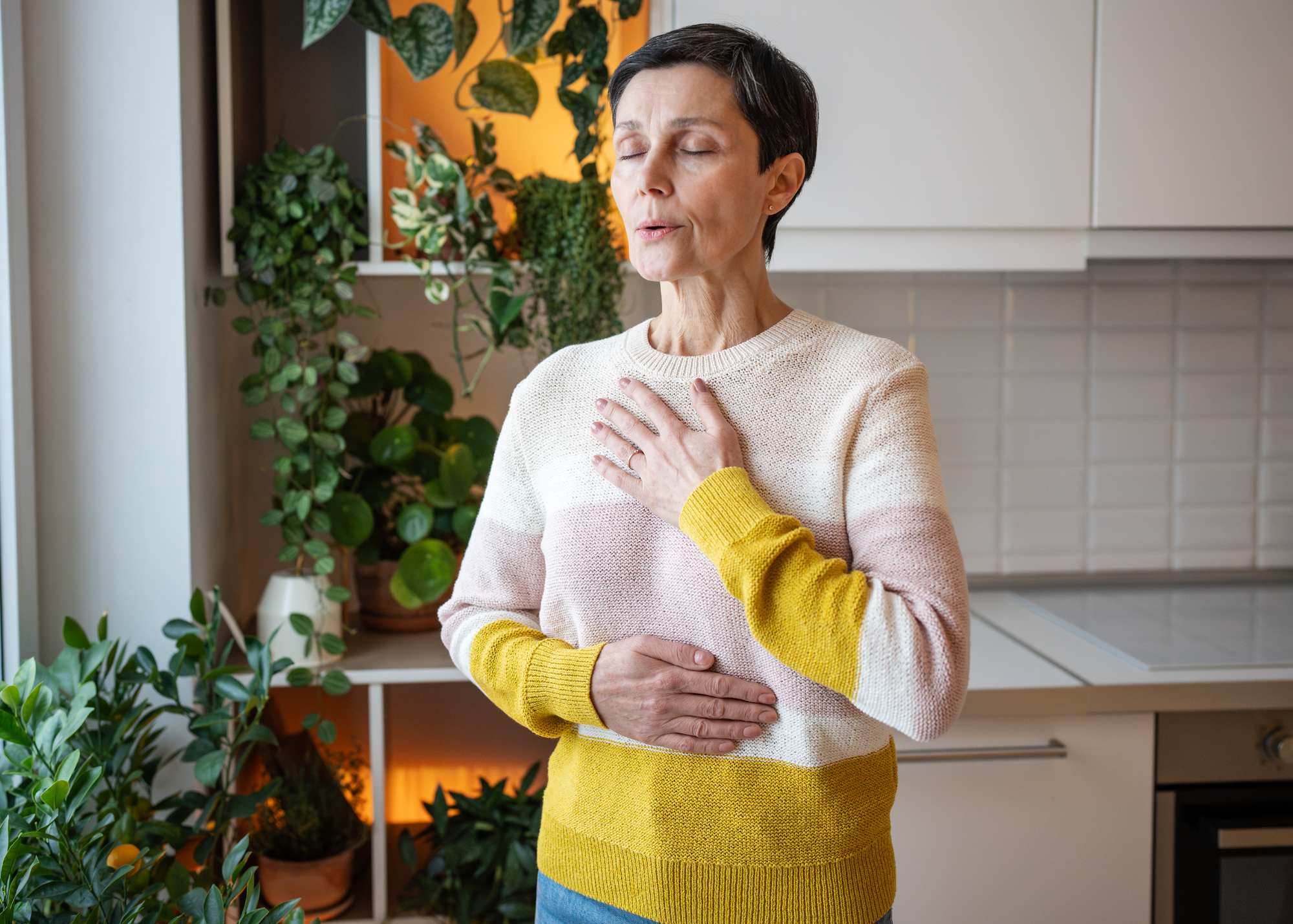
Breathing exercises (try 4-7-8: inhale for 4, hold for 7, exhale for 8).
Daily movement (even a 10-minute walk lowers cortisol).
Stabilize blood sugar:
Eat protein + fiber every 3–4 hours (blood sugar crashes worsen anxiety).
Cut back on caffeine and alcohol—both amplify hormonal anxiety.
Prioritize sleep:
Keep a cool, dark room; avoid screens before bed.
If anxiety feels unmanageable, talk to your doctor about HRT or SSRIs, which can rebalance brain chemistry.
Taming Perimenopause Rage: De-escalation Tactics That Work
For rage, prevention is key. The moment you feel the heat rising:
Pause: Step away (even to the bathroom for 5 minutes).
Name it: Say out loud, “I’m feeling rage—this is my hormones talking.”
Move it out: Shake your limbs or stomp (literally shakes off adrenaline).
Long-term, setting boundaries (saying no, delegating chores) and anger-focused therapy (CBT works) can help.
Acupuncture: A Natural Way to Calm the Storm
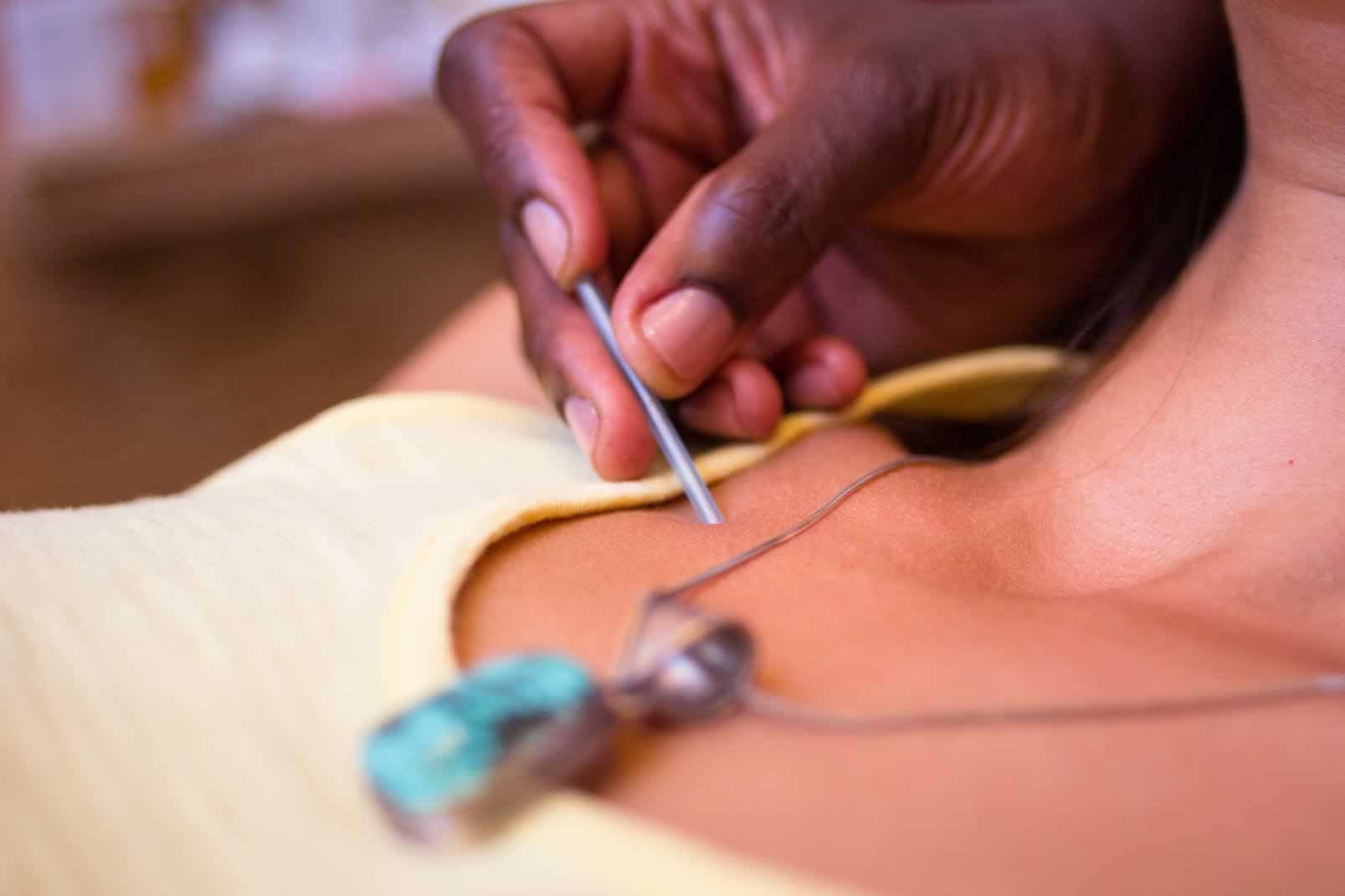
As an acupuncturist, I’ve seen how targeted treatments can help reset the nervous system. Research on acupuncture’s effects on the stress response suggests it may:
Help lower cortisol and support GABA activity (your brain’s “brake pedal”).
Help regulate estrogen-progesterone balance.
Reduce physical tension (less jaw clenching = less rage fuel).
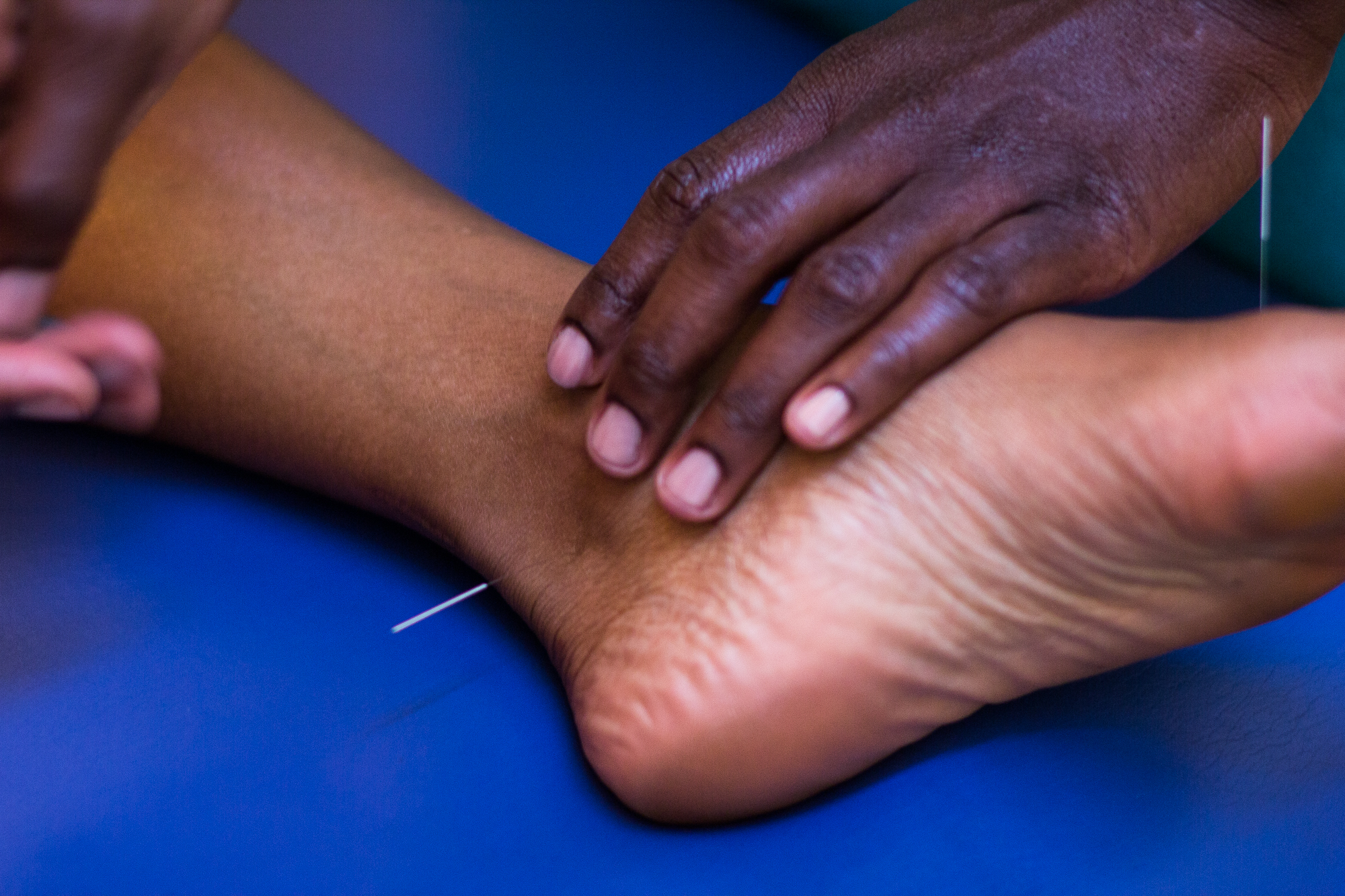
A typical course might involve weekly sessions for 6–8 weeks, focusing on stress points like the “Yintang” (between eyebrows) or “Liver 3” (top of the foot).
Navigating Relationships Without Guilt
Your mood swings affect loved ones, but repair is possible:
Explain: “My hormones are messing with my reactions—I’m working on it.”
Apologize after outbursts (without self-blame: “I’m sorry I yelled. Next time, I’ll take a break first.”).
Create systems: Divide chores, schedule quiet time, protect sleep.
…see a doctor immediately. These symptoms are treatable, but they need professional care.
Final Thought: You’re Not Broken
Perimenopause anxiety vs rage is a sign your body is navigating a transition—not a personal failing. With the right tools (hormonal, lifestyle, or holistic), relief is possible. Start small: track symptoms, try one calming technique, and remember—you’re not alone in this.
Most women notice real improvement within 4 to 8 weeks of consistent treatment—whether that’s acupuncture, lifestyle shifts, or HRT. The full perimenopause transition can span several years, but the intensity of mood swings tends to ease as your body adjusts and you build the right toolkit.
Yes. Acupuncture is drug-free, well-researched for stress regulation, and works with your nervous system rather than against it. Always see a licensed practitioner—proper point selection matters for hormonal and emotional support.
Physical release works fastest: shake out your limbs, step outside, or press cold water to your wrists and the back of your neck. These reset your nervous system in real time, giving the adrenaline somewhere to go before it turns into an outburst.
Not quite. Perimenopause rage tends to be more unpredictable, driven by hormones swinging up and down rather than simply declining. Once you’re through menopause and hormones stabilize at a lower, steadier level, many women find their emotional reactivity settles too.
Absolutely. Blood sugar crashes intensify both—skipping meals or relying on caffeine can leave you more reactive by mid-afternoon. Eating protein and fiber every 3 to 4 hours helps keep your mood, and your patience, steadier.
In TCM, rage often signals Liver Qi that’s become stagnant and then releases all at once. Acupuncture works to keep that Qi flowing smoothly before it builds to a breaking point—easing the physical tension (clenched jaw, tight shoulders) that so often comes right before an outburst.
Vaginal dryness during menopause can make everyday life uncomfortable, but natural solutions are available. Here’s what actually works: plant-based remedies, simple lifestyle changes, and small daily shifts that add up, so you can feel like yourself again.
If perimenopause has dampened your sex drive, you’re far from alone. Hormonal shifts, stress, and fatigue all play a role, but there are effective, natural ways to reclaim your desire. Let’s talk about what really works.
Carine Camara is a Licensed Acupuncturist and Spiritual Life Coach with 15 years of experience, and the founder of CARRINNA in downtown Lafayette, CA. Her work blends Traditional Chinese Medicine with spiritual guidance to help clients move from blocked to flowing, supporting people through perimenopause, chronic pain, and life’s deeper transitions.