

Share
In this Article
| Topic | Summary |
|---|---|
| Cortisol Fundamentals | Essential short-term stress response hormone that becomes destructive when chronically elevated. |
| Systemic Impact | Disrupts metabolism, immune function, brain health, sleep quality, and reproductive hormones. |
| Hormonal Domino Effect | Suppresses thyroid function, sex hormones, and insulin sensitivity while disrupting melatonin. |
| Inflammation Reversal | Chronic elevation transforms cortisol from anti-inflammatory protector to tissue-damaging liability. |
| Natural Regulation | Circadian alignment, strategic movement, nutrition, and acupuncture help restore balance. |
| Recommended Services and Products | |
East Bay Acupuncture ![]() |
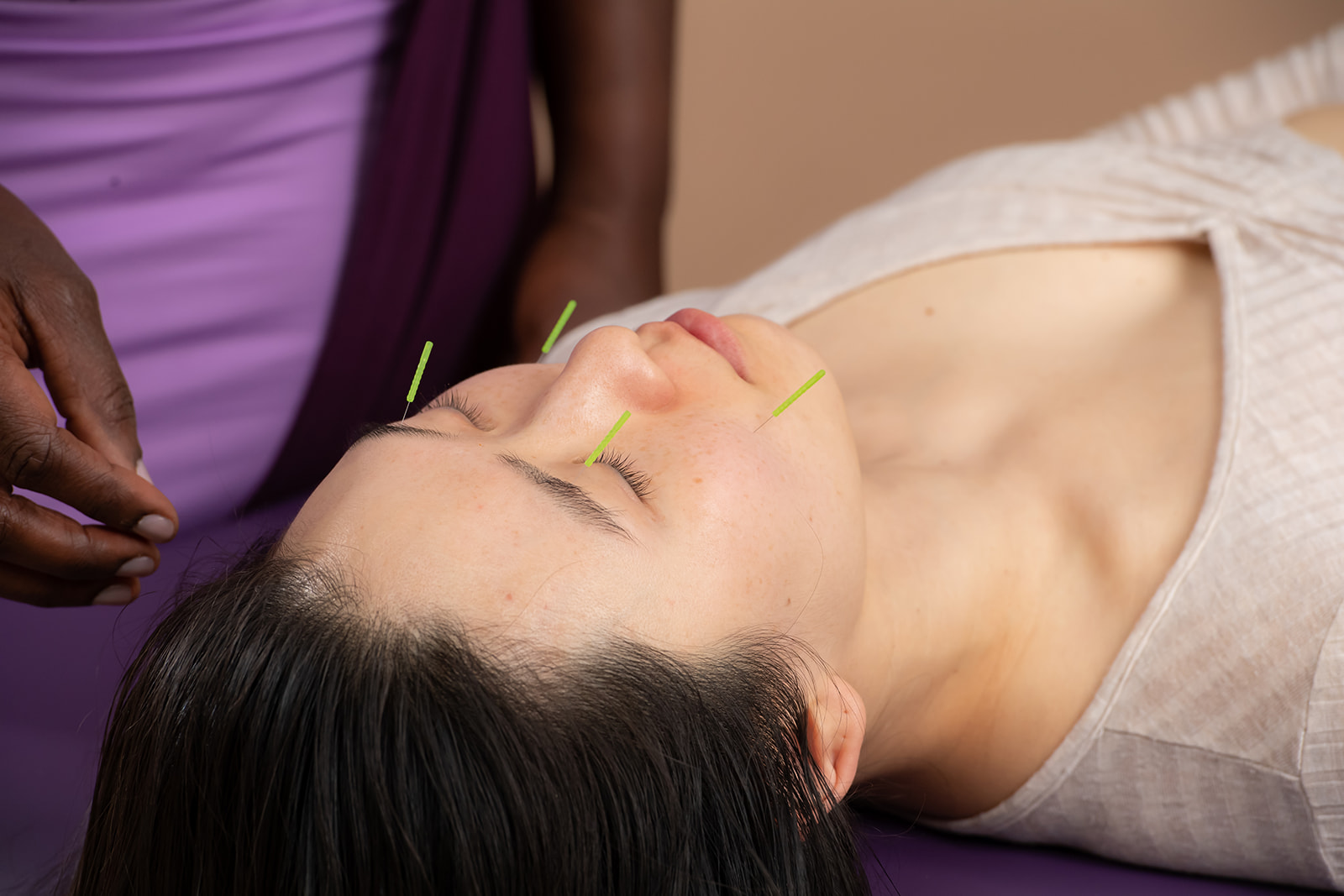
Professional acupuncture services proven to modulate the HPA axis and reduce cortisol. Combines traditional Chinese medicine with modern stress-management techniques. Book Appointment |

Have you ever wondered why chronic stress makes you feel—and look—so run down? It’s not just in your head. High cortisol, your body’s primary stress hormone, is quietly reshaping your health, and the price you pay is far steeper than you might realize.
I see it every day in my practice—clients struggling with exhaustion, stubborn weight gain, and brain fog, unaware that their hormones have been hijacked by persistent stress. High cortisol doesn’t just drain your energy; it rewires your biology. Let’s break down exactly how this happens—and what you can do about it.
High Cortisol, Chronic Stress, and the Body’s Breaking Point
When cortisol remains elevated long-term, it doesn’t just affect mood—it rewires entire systems. Here’s what happens:
| System | Effects of High Cortisol |
|---|---|
| Metabolism | Increased abdominal fat, insulin resistance (hello, cravings) |
| Immune | Frequent infections (anti-inflammatory effects backfire) |
| Brain | Memory lapses, anxiety (shrinks the hippocampus over time) |
| Sleep | Wired-but-tired insomnia (melatonin disruption) |
| Reproductive | Lowered testosterone/estrogen (libido crashes, cycles go haywire) |
And here’s the kicker: 50-90% of doctor visits tie back to stress-related symptoms. Your finances, focus, and fertility? All collateral damage.
Get expert tips on healthy living and aging gracefully at 40 and beyond from me.
Join Our Spiritual Wellness Journey: Subscribe for Weekly guidance & Insights
Elevate Your Spirit: Receive Transformative Guidance Straight To Your Inbox
Success! Now check your email to confirm your subscription.
How High Cortisol Sabotages Other Hormones
Cortisol doesn’t work in isolation. It’s part of a delicate network, and when one hormone runs wild, others suffer:
- Thyroid hormones: Slows conversion of T4 to active T3 (more fatigue).
- Sex hormones: DHEA (a precursor to estrogen/testosterone) drops by 15-30%.
- Insulin: Promotes insulin resistance (weight sticks like glue).
- Melatonin: Evening cortisol stays high, sabotaging sleep.
Ever notice you crave salty, sugary foods when stressed? That’s cortisol manipulating ghrelin (your hunger hormone). Your body thinks it’s in survival mode—and prioritizes emergency fuel over long-term health.
The Inflammation Paradox: When Cortisol Fails to Protect You
Here’s the irony: cortisol is anti-inflammatory, but chronic stress flips this function. Instead of controlling inflammation, prolonged high cortisol:
- Weakens immune defenses (70% higher cold susceptibility).
- Fuels conditions like Alzheimer’s and autoimmune disorders (inflamed nervous system).
- Accelerates tissue breakdown (joint pain, slower healing).
It’s like a firefighter who eventually starts setting fires.
How to Lower High Cortisol Naturally
The good news? You can recalibrate your stress response. Start with these science-backed steps:
1. Reset Your Circadian Rhythm
- Get morning sunlight (supports cortisol’s natural drop by evening).
- Avoid screens 90 mins before bed (blue light = cortisol spike).
2. Move Strategically
- Walking (30 mins/day lowers cortisol).
- Yoga or tai chi (restores HPA axis balance).
3. Eat for Stability
- Protein + fiber at breakfast (balances blood sugar).
- Magnesium-rich foods (dark leafy greens, pumpkin seeds).
4. Try Acupuncture (Yes, I’m biased—but the data backs it.)
Studies show acupuncture reduces cortisol by modulating the HPA axis, while boosting endorphins (your “feel-good” chemicals) [5]. In my practice, clients often report better sleep and less anxiety within weeks.
When to Seek Help
If you’ve tried lifestyle changes but still battle fatigue, irregular periods, or unexplained weight gain, test your cortisol. Saliva or blood tests (at 8 AM and 4 PM) can reveal imbalances. Functional medicine or endocrinology specialists can tailor treatments—sometimes including adaptogens (like ashwagandha or rhodiola).
Stress isn’t just a feeling—it’s a hormonal storm.
But with the right tools, you can quiet the chaos and reclaim balance. Start small. Your body will thank you.
Want to dive deeper? Drop a comment below—I’ll help you troubleshoot your biggest stress triggers.