Fertility Acupuncture: Understanding the Basics

Fertility Acupuncture: Understanding the Basics

If you’re navigating a fertility journey, fertility acupuncture offers a gentle, whole-body way to support the natural processes that lead to conception — physically, hormonally, and emotionally.

How Fertility Acupuncture Supports Conception

Balancing Qi

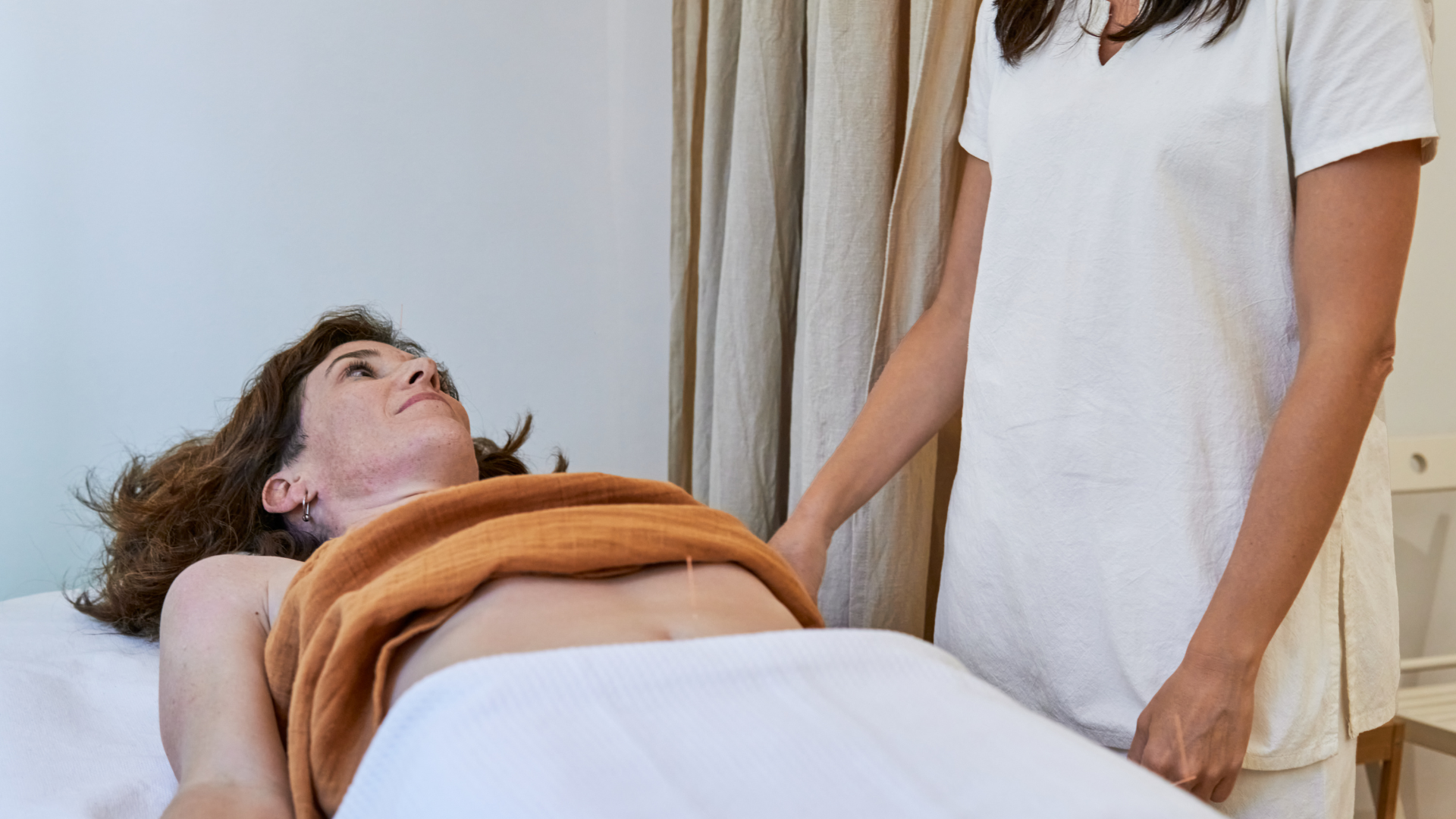
In Traditional Chinese Medicine, Qi is the vital energy that flows through the body along pathways called meridians. When it comes to fertility acupuncture, keeping that flow smooth and unobstructed matters — disruptions in Qi can show up as physical or emotional imbalances that affect reproductive health. Fine needles placed along specific meridian points help clear blockages and restore that flow, creating conditions more receptive to conception.

Supporting Blood Circulation

Blood delivers the nourishment that Qi’s energy makes use of, and healthy circulation to the reproductive organs is essential — supplying the oxygen and nutrients needed for healthy eggs and a receptive uterine lining. Fertility acupuncture is well known for its precision in improving circulation, and this extends to addressing menstrual irregularities, including conditions like PCOS.

Regulating Hormones

Hormones govern the rhythm of the reproductive cycle, from ovulation to the uterine lining’s readiness for implantation. By stimulating specific points, fertility acupuncture prompts the release of endorphins, which help signal the brain to support healthy hormone regulation — encouraging more regular, predictable ovulation and offering supportive care for those managing PCOS-related hormonal imbalances.

Calming the Nervous System

Stress and fertility are closely linked. Elevated stress hormones like cortisol can disrupt the hormonal balance needed for ovulation and implantation. Fertility acupuncture’s calming effect — by influencing the hypothalamus and pituitary gland — helps ease this stress response, creating a more settled internal environment that supports both fertility and overall well-being. This same calming effect also supports mood, which plays its own role in reproductive health.

For those using assisted reproductive technologies like IVF, fertility acupuncture is often used alongside treatment as a complementary way to manage stress and support the body throughout the process.
Understanding the Basics of Acupuncture in Fertility 3


Fertility Acupuncture for Midlife and Perimenopausal Women

Trying to conceive in your late 30s, 40s, or during perimenopause comes with its own unique landscape — one that deserves real conversation, not just a footnote. As ovarian reserve naturally declines and cycles become less predictable, many women feel like conventional fertility resources weren’t built with them in mind.

Fertility acupuncture can be especially supportive during this stage. It won’t reverse the natural changes of perimenopause, but it can help create the best possible internal environment for conception by supporting circulation to the reproductive organs, easing the hormonal fluctuations that make cycles unpredictable, and calming a nervous system that’s often already managing the emotional weight of both fertility challenges and midlife hormonal change at once.

I work with women navigating exactly this intersection — trying to conceive while also moving through perimenopause — and I want you to know that your journey is valid, even when it doesn’t follow the timeline others expect. A personalized approach that honors both realities at once, rather than treating them as separate issues, tends to serve women in this stage best.

Key Acupuncture Points for Fertility

Every fertility journey is unique, so treatment is always personalized — but a few points come up often in fertility-focused sessions:

  • Governing Vessel 4 (GV4) — Gate of Origin: Located along the body’s midline, this point is used to support Kidney energy, which in TCM is closely tied to reproductive vitality.
  • Spleen 6 (SP6) — Three Yin Intersection: On the inner leg, this point helps regulate the menstrual cycle and is often used for irregular periods or menstrual pain.
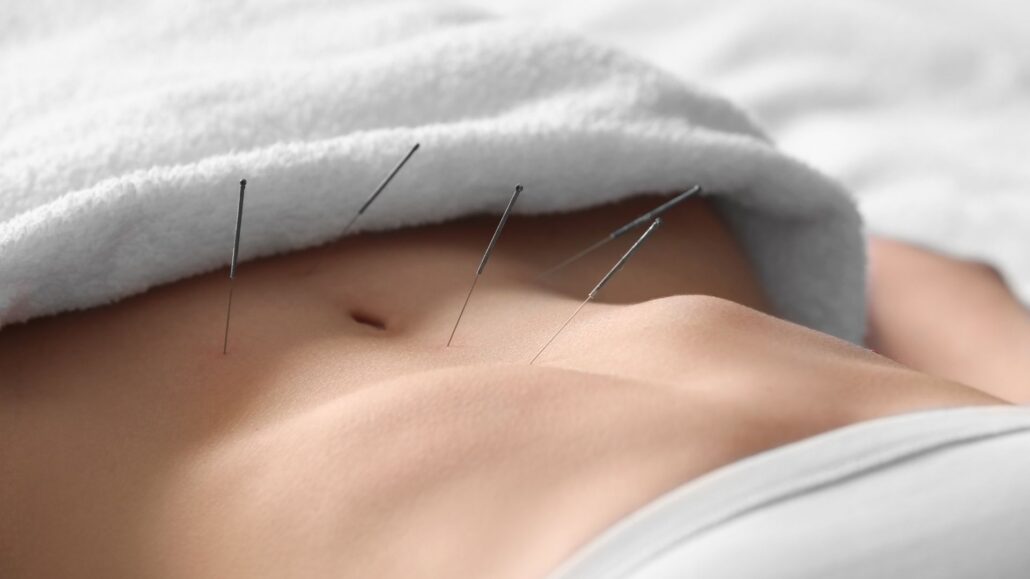
  • Conception Vessel 4 (CV4) — Gate of Life: Along the lower abdomen, this point supports the reproductive organs and helps promote healthy Qi flow in that area.
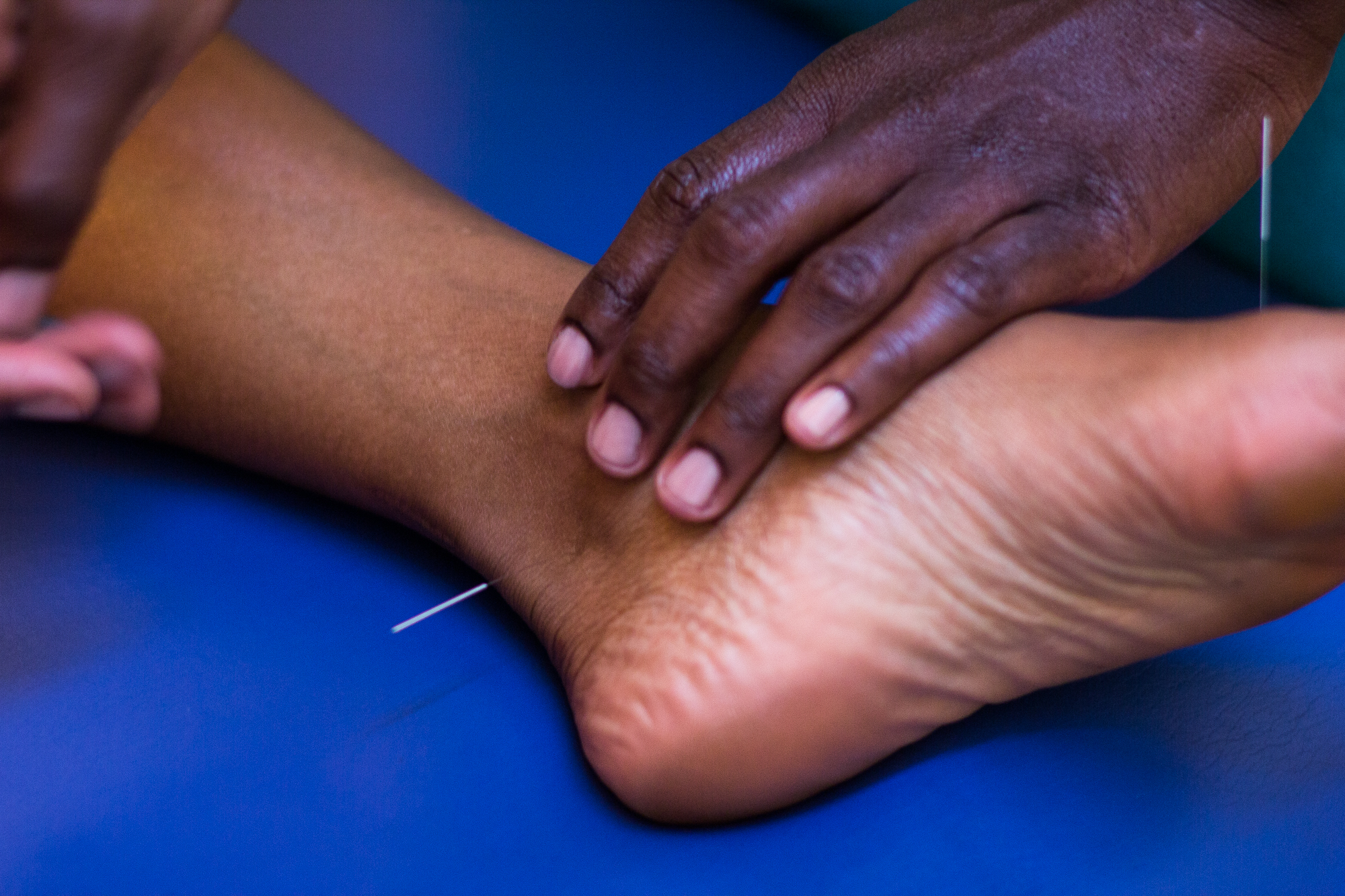
  • Kidney 3 (KD3) — Great Ravine: On the inner ankle, this point supports Kidney energy and balance between Yin and Yang.
  • Liver 3 (LV3) — Great Surge: On the foot, this point supports smooth Qi flow through the Liver channel, often relevant for irregular cycles.
  • Bladder 23 (BL23) — Kidney Shu: On the lower back, this point is used to strengthen Kidney Qi, considered foundational to fertility in TCM.

A skilled acupuncturist selects and combines these points based on your specific health history, cycle, and fertility goals — there’s no single formula that fits everyone.

What to Expect: Protocols and Frequency

Fertility acupuncture is most effective as a personalized plan rather than a one-size-fits-all protocol. I’ll work with you to determine the right frequency of sessions for your specific goals, and — when relevant — how fertility acupuncture can be integrated alongside conventional fertility treatments like IVF for a more complete, supportive approach.

Choosing the Right Acupuncturist

Look for a licensed acupuncturist with specific training and experience in fertility acupuncture. A good fit is someone who takes a holistic approach, communicates openly, and takes time during your consultation to genuinely understand your history and goals — not just your diagnosis.

Cost and Insurance Considerations

Costs for fertility acupuncture vary, and I believe in being transparent about pricing from the start. While I don’t bill insurance directly, I provide superbills you can submit to your insurance company for possible out-of-network reimbursement. Reach out and I’m happy to help you think through what’s realistic for your situation.

Acupuncture and Male Fertility

Fertility isn’t only a woman’s journey. Fertility acupuncture offers real, holistic support for male fertility too, and couples navigating this together often find real value in approaching treatment as a shared path rather than one partner’s responsibility alone.

Acupuncture and Female Reproductive Health

Beyond conception itself, fertility acupuncture supports female reproductive health more broadly — helping regulate the menstrual cycle, supporting healthy ovulation, and offering a natural, whole-body approach for those navigating unexplained infertility, where conventional testing hasn’t identified a clear cause.

Frequency Asked Questions

Fertility acupuncture supports conception through several channels at once — enhancing energy flow, improving circulation, and encouraging hormonal balance, all of which help create more optimal conditions for conception.

Yes. While it can’t reverse the natural decline in ovarian reserve, fertility acupuncture can support circulation, ease hormonal fluctuations, and calm the nervous system — creating the best possible internal environment for conception during this transition.

Acupuncture is generally very safe, with only mild, temporary reactions in most cases — one reason it’s such a well-suited complementary support during a fertility journey.

This varies by person. I’ll create a personalized plan, often built around consistent weekly sessions, tailored to your specific needs and fertility goals.

Yes. It’s commonly used alongside treatments like IVF, and many people find it supports both the physical process and the emotional experience of treatment.

Choose a licensed acupuncturist with specific training and experience in fertility support — someone whose holistic approach and communication style feel like the right fit for you.

A Note on This Journey

Fertility acupuncture isn’t a quick fix — it’s a supportive, whole-body practice that works alongside your body’s own natural rhythms, whatever stage of life you’re in. If you’re considering it as part of your path forward, I’d love to talk with you about what that could look like. Book a session, and let’s explore it together.

Share
Pin
Tweet
Related

Perimenopause Insomnia: Causes and Acupuncture Relief

If you’re in perimenopause and tossing and turning every night, you’re not alone. Hormonal shifts can wreak havoc on sleep, but acupuncture might be the relief you need. Here’s how it works and why many women swear by it.

Comments

What do you think?

Leave a Reply

Your email address will not be published. Required fields are marked *