Share
Key Takeaways
- Fall vs. spring allergies
- Fall allergies are driven by mold, weed pollens, and dry winds. Spring allergies come mostly from tree and grass pollens.
- Histamine clearance
- Two enzymes, HNMT and DAO, clear histamine. Methylation and gut health affect how well they work.
- The TCM view
- Fall is the season of the Lungs, which struggle with dryness, Dampness, and unreleased grief.
- Acupuncture
- Acupuncture can ease symptoms and works well alongside conventional care.
How Fall Allergies Differ From Spring Allergies
Fall allergies are different from spring allergies. In spring, tree and grass pollens are the main triggers, and symptoms spike on warm, breezy days. In fall, weed pollens and mold take over.
Mold is the big one. Outdoor mold grows in fallen leaves and damp soil, and here in the East Bay, mold counts tend to rise after the first rains. Indoor mold adds to it once the windows close and the heat comes on. You haven’t become more sensitive in the fall. There is simply more mold in the air, and because it is less tied to sunny, windy days than pollen, fall symptoms often feel more constant.
Chinese medicine sees this difference too. Spring belongs to the Liver, and spring allergies tend to feel windy, sudden, and itchy. Fall belongs to the Lungs, which dislike both dryness and Dampness. Mold is essentially Dampness in the environment, which is why fall allergies often bring more congestion, sinus pressure, and lingering mucus.
What Is Happening in Your Body
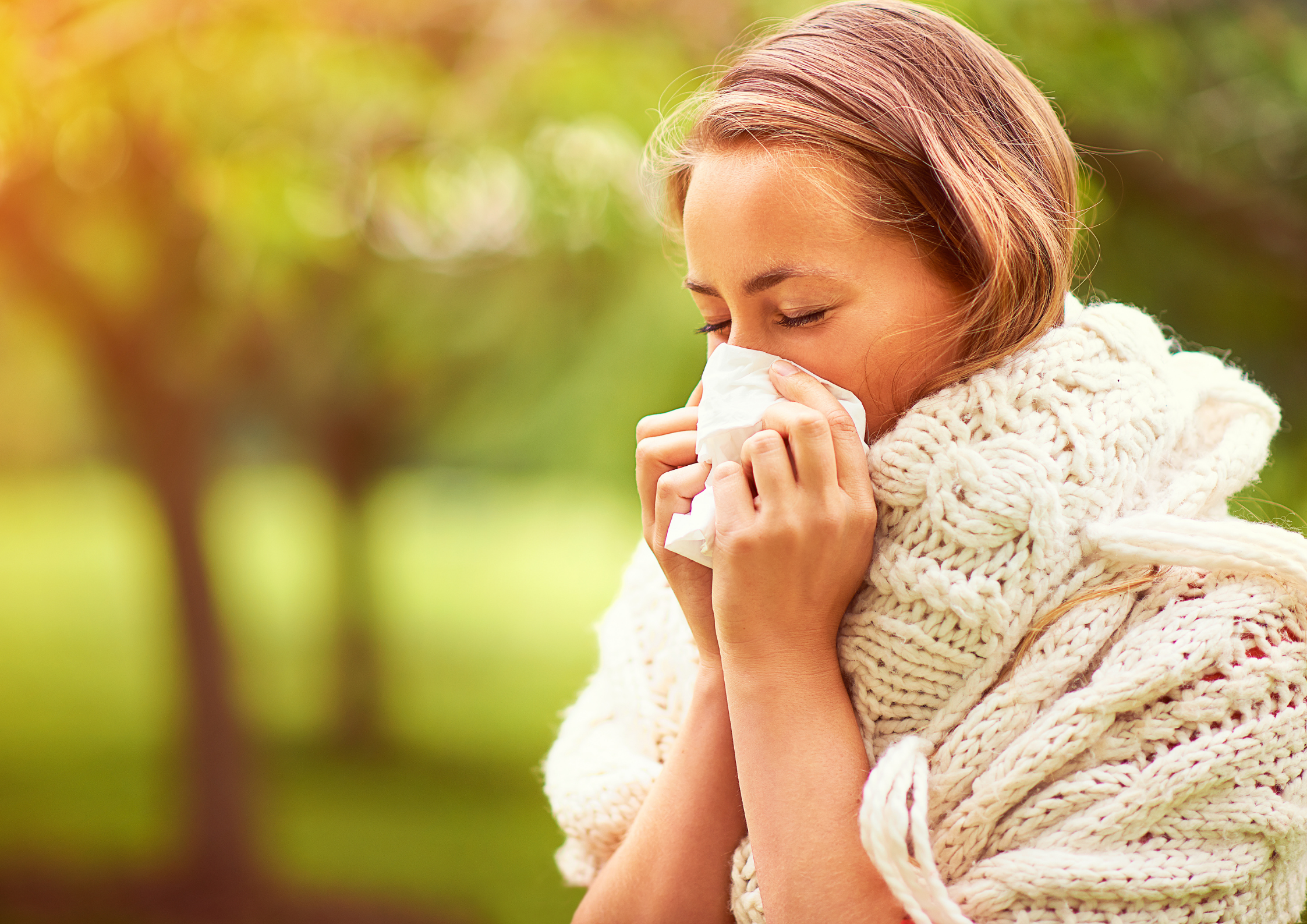
Seasonal allergies happen when your immune system becomes sensitized to proteins in pollen or mold spores and treats them as a threat. With each exposure, mast cells in your nose, sinuses, and eyes release histamine and other inflammatory chemicals. These cause the swelling, sneezing, itching, and congestion that can make the season so hard to get through. Mold especially can irritate the airways and trigger asthma flares.
A healthy immune system can respond to allergens in the environment, handle the histamine they trigger, and return to calm. Part of that calm comes from two enzymes that break down histamine. Histamine N-methyltransferase (HNMT) clears histamine inside your tissues, including your nose and airways, so it does most of the work during an allergy flare. Diamine oxidase (DAO), made in the lining of your gut, breaks down histamine from food before it can enter your bloodstream and add to the histamine your allergies are already producing. When these defenses are strong, your body recovers quickly. When there are gaps, symptoms linger and build.
HNMT depends on methylation. It uses SAMe, your body’s main methyl donor, which relies on nutrients like folate and B12. When methylation is sluggish, histamine may clear more slowly. DAO depends on copper and a healthy gut lining, with support from vitamin B6 and vitamin C. A large share of your immune tissue also lives along the digestive tract. When digestion is inflamed, the immune system tends to be more reactive and food histamine slips through more easily.
Fall Triggers Here in the East Bay
Most fall allergy articles focus on ragweed, which is mainly an East Coast and Midwest problem. In Lamorinda, the main fall triggers are:
- Weed pollens like sagebrush, mugwort, and pigweed.
- Dry offshore winds that stir up pollen and dust and dry out the nose.
- Mold after the first rains.
- Wildfire smoke, which irritates the airways even when pollen counts are low.
- Indoor allergens like dust mites, pet dander, and indoor mold.
Many of these triggers bring dryness or Dampness, the two conditions the Lungs struggle with most. This is where Traditional Chinese Medicine can restore your Lungs and immune system.
The TCM View: Fall Is the Season of the Lungs
In Traditional Chinese Medicine, autumn belongs to the Lungs. The Lungs govern breath, open into the nose, nourish the skin, and spread Wei Qi, your protective energy, across the surface of the body.
The Lungs are sensitive to dryness and wind, so they feel the change of season first.
In fall allergies, I most often see a few patterns:
- Weak Wei Qi. Your protective energy is low, so wind and allergens get in easily. You may catch every cold and feel tired or short of breath.
- Wind invasion. Sudden sneezing, itching, and a runny nose that come and go quickly. This can lean cold (clear mucus, chills) or warm (yellow mucus, sore throat).
- Lung Dryness. A dry cough, dry nose, scratchy throat, and dry skin.
- Spleen weakness with Dampness. There is a classic saying in TCM: the Spleen makes phlegm and the Lungs store it. When digestion is weak, mucus builds up, and congestion lingers.
Most people have a blend of these. Your treatment depends on your own pattern, not on the label “allergies.”
The Lungs and Grief: The Releaser Pattern
Every organ in Chinese medicine holds an emotion. The Lungs hold grief.
Fall is a season of letting go. When you carry grief you have not fully felt, whether from a loss, a change, or a chapter that has closed, the Lungs tighten around it. Your breath gets shallow, your chest feels heavy, and the protective energy of the Lungs weakens.
In my Heart Energy is Qi framework, I call this the Releaser pattern. The name describes the medicine: release. Your Heart energy is always there, steady and whole. Grief that has nowhere to go blocks your access to it.
Testing Worth Considering
If your symptoms return every year or keep getting stronger, a few tests can show where the gaps in your body’s defenses are:
- Allergy testing (skin prick or blood IgE) through your doctor or an allergist, to identify your specific triggers.
- A comprehensive stool analysis, to look at gut inflammation, microbial balance, and digestion.
- DAO enzyme levels, to see how well your gut breaks down food histamine.
- Homocysteine or MTHFR status, to check how well methylation supports HNMT.
- Vitamin D, since low levels are common in fall and winter and affect immune balance.
Results also help me coordinate your care with your other providers.
How Acupuncture Helps: Body, Heart, and Spirit
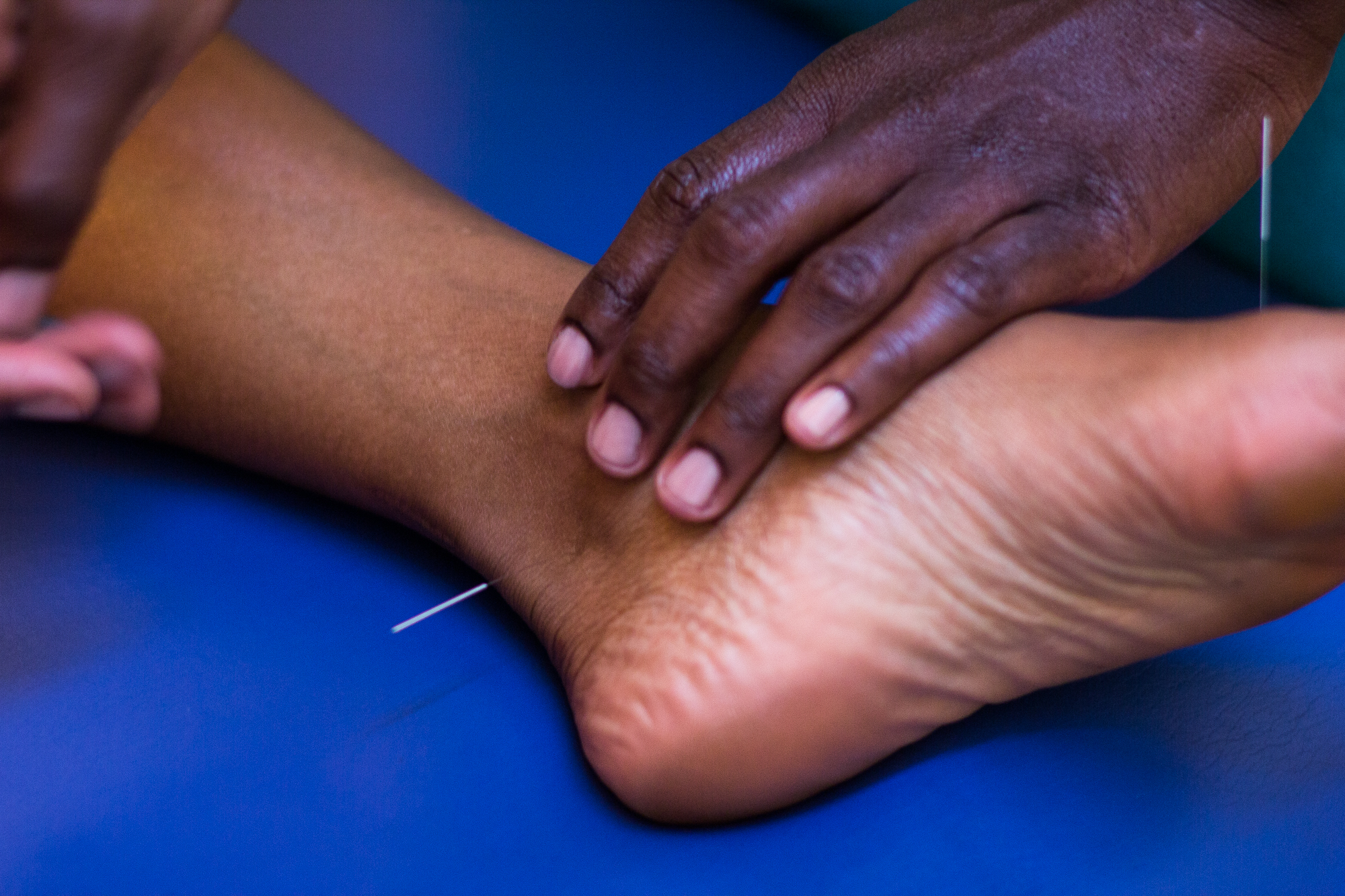
In a 2013 randomized trial of 422 people with seasonal allergies, 12 acupuncture treatments over eight weeks improved quality of life and reduced antihistamine use compared with both sham acupuncture and medication alone. The authors noted the improvements were modest and called for more research.
In my treatment room, I use a gentle Japanese style with fine needles and light stimulation. Each session supports you on three levels.
Physically, we open the nasal passages, calm inflammation, and strengthen Wei Qi. Treatment often includes points on the Lung and Large Intestine channels and points that support digestion.
Emotionally, we soothe the nervous system. A calmer nervous system means a calmer immune response.
Spiritually, we make room for release. I often include LU 9, PC 6, and HT 7, a combination I call Release and Restore, to help the Lungs let go and reconnect you to your Heart energy.
Acupuncture does not cure allergies, but it can ease symptoms, and it works well alongside conventional care.
Caring for Your Lungs at Home
- Cover your neck. In TCM, wind enters at the back of the neck. A light scarf on breezy days protects your Wei Qi.
- Moisten from the outside. Use a humidifier at night and a gentle saline rinse after time outdoors.
- Rinse off the day. Change clothes and wash your hair after gardening, hiking, or smoky days.
- Breathe on purpose. Slow breathing, Qi Gong, or Tai Chi strengthen the Lungs and calm the nervous system.
- Keep the air clean inside. Close windows on high-pollen or smoky days and run a HEPA air purifier.
Enjoy more
Moistening, warming foods that support the Lungs
- Asian pearsGently poached or baked
- Warm soups, bone broth, and congeeEasy to digest and nourishing
- White foodsDaikon, cauliflower, white fungus, lily bulb, almonds
- A little honeyIn warm water or tea
- A touch of ginger, scallion, or garlicSmall amounts support the Lungs
Enjoy less
Foods that add Dampness, dryness, or histamine
- DairyCan thicken mucus
- Iced drinks and cold, raw foodsWeaken digestion
- Excess sugar and alcoholRaise histamine levels
- Heavy, fried foodsBurden digestion
- Very spicy foodsDry the Lungs in excess
A Heart Energy Practice for Release
This takes about five minutes. Try it in the evening.
- Sit comfortably and rest one hand on your belly and one over your heart.
- Breathe in slowly through your nose for a count of four. Feel your ribs widen under your hand.
- Exhale through your mouth for a count of six, letting your shoulders soften.
- On each exhale, silently name one thing you are ready to release. It can be a feeling, a memory, or simply “what I no longer need.”
- On each inhale, welcome in something that nourishes you: peace, clarity, love.
- After a few rounds, let your breath return to its natural rhythm. Rest your attention on your heart and notice the warmth that is already there.
Letting go makes space for your Heart energy to move freely again.
When to See Your Doctor
See your doctor if you notice:
- Wheezing, chest tightness, or shortness of breath
- A fever, which points to an infection rather than allergies
- Facial pain, thick colored mucus, or symptoms lasting more than 10 days
- Symptoms that disrupt your sleep or daily life
Allergy medications, inhalers, or immunotherapy may be the right support for you, and you can use them together with acupuncture.
Support Your Lungs This Fall
Fall allergies respond best when you support your Lungs, your gut, and your heart together.
Curious which pattern is shaping your health right now? Take the free Heart Energy is Qi quiz to discover your pattern. If you would like support this season, I would love to see you in my Lafayette office. Book your acupuncture session here.
FAQ
Fall brings late-season weed pollens, mold from damp leaves, dry winds, and more time indoors with dust and dander. In TCM, autumn is the season of the Lungs, which are sensitive to dryness and wind, so any weakness in your protective Wei Qi shows up more now.
Allergies tend to bring itchy eyes and nose, clear mucus, and no fever, and they last as long as you are exposed to the trigger. A cold often comes with a sore throat, body aches, or a low fever, and usually clears in about a week to 10 days.
Acupuncture does not cure allergies, but it can ease symptoms, reduce reliance on medication for some people, and strengthen your resilience by addressing the patterns underneath.
Results vary. In the 2013 trial, people received 12 treatments over eight weeks. Your acupuncturist will recommend a plan based on your pattern and symptoms.
With a licensed acupuncturist using sterile, single-use needles, acupuncture is very safe. The most common side effects are mild soreness or a small bruise. If you are pregnant, let your acupuncturist know, since some points are avoided during pregnancy.
In Chinese medicine, the Lungs hold grief. Unexpressed grief can make the breath shallow and weaken the Lungs’ protective energy. Gently making space for that grief is part of supporting the Lungs, especially in the fall.