
Share
In this Article
Key Takeaways
| Topic | Summary |
|---|---|
| Holistic Integration | Acupuncture combines with body awareness to address both physical tension and emotional stress patterns. |
| Energy Balance | Needle stimulation triggers cortisol reduction and nervous system recalibration within minutes. |
| Synergistic Effects | Combines physiological reset with practical daily techniques for comprehensive stress relief. |
| Mind-Body Connection | Stress manifests physically through muscle tension, digestive issues, and nervous system dysregulation. |
| Personalized Wellness | Tailored approach combining acupuncture with body scans, breathwork, and trauma-informed movement. |
| Recommended Services and Products | |
Acupuncture
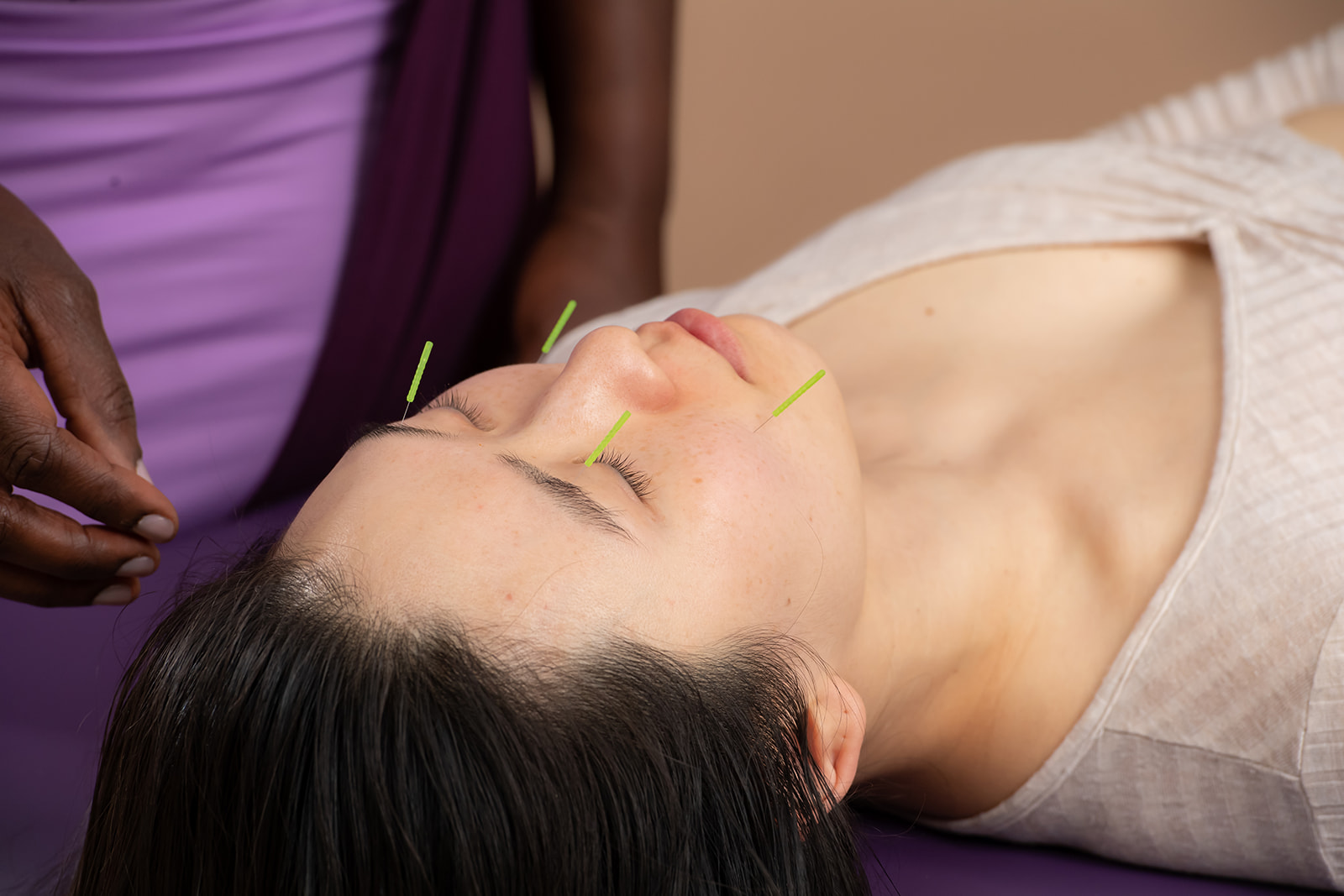 |
Professional acupuncture services focusing on mind-body-spirit alignment and nervous system reset. Book Appointment |
You ever notice how your shoulders ache after a long day of work—even if you barely moved? Or how your jaw clenches when you’re anxious? That’s your body telling you, “Hey, I’m holding onto stress.” And that’s what somatic stress relief is all about: understanding how stress physically lodges in your body and learning ways to release it.
If you’ve ever tried mindfulness or deep breathing but still felt tension stuck in your muscles, you’re not alone. Stress doesn’t just live in your thoughts—it embeds itself in your body. And as someone who’s spent years studying acupuncture for stress relief and somatic therapies, I want to show you why your body reacts this way—and how tools like acupuncture can help.

Get expert tips on healthy living and aging gracefully at 40 and beyond from me.
Join Our Spiritual Wellness Journey: Subscribe for Weekly guidance & Insights
Elevate Your Spirit: Receive Transformative Guidance Straight To Your Inbox
Success! Now check your email to confirm your subscription.
How Your Body Carries Stress: The Science of Somatic Stress Relief
Your body is wired to react to stress—it’s survival instinct. When you face pressure, your brain triggers cortisol release, muscles tighten, and your nervous system shifts into overdrive. But here’s the problem: modern stressors (like work deadlines or emotional triggers) often don’t have a physical “off switch.”
So where does all that unprocessed stress go?
-
- Trapped tension: Chronic stress locks itself into your muscles—think tight shoulders, clenched fists, or stiff hips.
-
- Cortisol overload: Elevated cortisol keeps your body in fight-or-flight mode, disrupting digestion, sleep, and immune function.
-
- Nervous system dysregulation: Your autonomic nervous system gets stuck in high alert, making relaxation hard.
This isn’t just discomfort—it’s your body sounding an alarm. And ignoring it can lead to chronic pain, fatigue, or even long-term health issues.
Physical Manifestations of Stress: When Your Body Speaks
Ever wonder why stress causes back pain or headaches? Your body expresses stress somatically (through physical symptoms). Common signs include:
| Somatic Stress Symptom | Why It Happens |
|---|---|
| Muscle tension (neck, back, jaw) | Unresolved fight-or-flight response |
| Digestive issues (bloating, IBS) | Gut-brain axis reacting to cortisol |
| Insomnia or restless sleep | Nervous system unable to “switch off” |
| Frequent headaches/migraines | Blood vessel constriction from chronic tension |
If this sounds familiar, your body isn’t failing you—it’s signaling you.
Why the Body Remembers Trauma (and What That Means for Relief)
Trauma—whether emotional or physical—gets stored in your body’s tissues, creating lasting tension patterns. (Ever notice how certain memories make your stomach knot up?)
Therapy that only addresses thoughts—without engaging the body—often misses this somatic imprint. That’s why trauma-informed somatic therapy focuses on discharging stored stress through movement, breathwork, and body awareness.
Acupuncture as Somatic Stress Relief: How It Works
Now, let’s talk about acupuncture for stress relief—one of the most effective somatic tools I’ve used with clients.
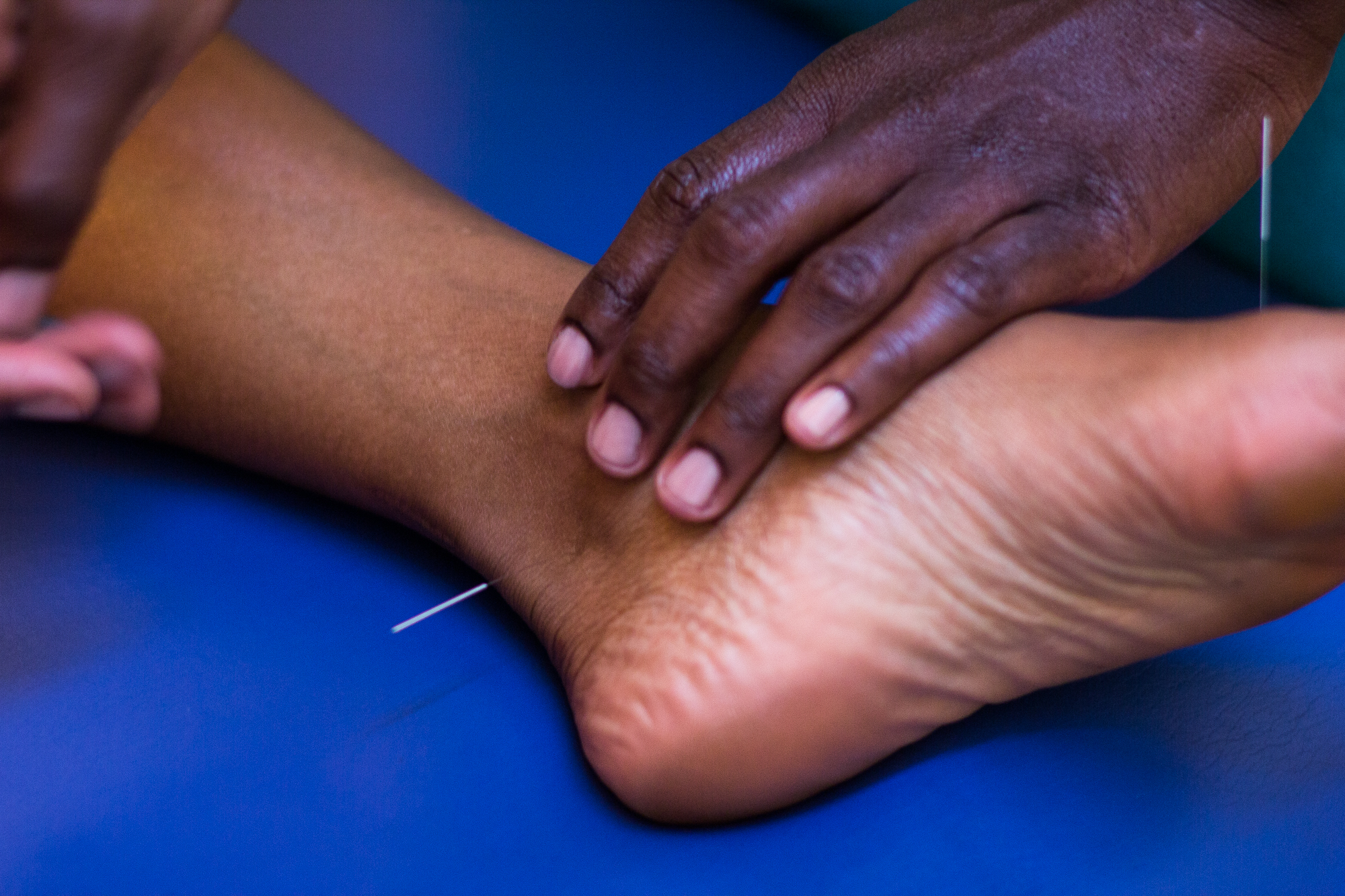
Acupuncture isn’t just about needles—it’s about tapping into your body’s energy meridians to release trapped stress. Here’s the breakdown:
-
- Triggers relaxation: Needles stimulate nerve endings, signaling your brain to dial down cortisol.
-
- Restores nervous system balance: Shifts you from fight-or-flight (sympathetic) to rest-and-digest (parasympathetic).
-
- Releases muscle tension: Increases blood flow to stiff areas, helping your body “let go.”
Studies even show acupuncture can lower cortisol within minutes of treatment.
How Acupuncture Compares to Other Somatic Techniques
| Technique | Pros | Limitations |
|---|---|---|
| Acupuncture | Deep nervous system reset | Requires a skilled practitioner |
| Breathwork | Accessible, quick stress reducer | Doesn’t fully release deep tension |
| Yoga/Movement | Improves mobility and body awareness | May not regulate nervous system fully |
| Mindfulness | Reduces mental reactivity | Hard to access physical tension |
Acupuncture isn’t the only solution—but it’s uniquely powerful for resetting your nervous system physiologically.
Practical Somatic Stress Relief Tips for Daily Life
Here’s how to start releasing somatic stress today:
-
- Body scans: Pause 3x/day—scan for tight spots (jaw? shoulders?) and consciously relax them.
-
- Trauma-informed movement: Gentle stretching or shaking (like animals do to discharge stress).
-
- Acupressure: Press on calming points (like the “Third Eye” between eyebrows).
-
- Breathwork: Slow exhales to activate your parasympathetic nervous system.
Final Thought
Your body is wise—it carries stress for a reason. And somatic stress relief isn’t about “fixing” yourself—it’s about listening to what your body needs. Whether through acupuncture, movement, or mindful breathing, start small. Your shoulders (and nervous system) will thank you.
If somatic stress feels overwhelming, consider working with a practitioner (like me!). Sometimes, the body needs guided support to fully release what it’s holding onto.
Frequency Asked Questions
Somatic stress relief is the practice of releasing stress that’s stored physically in the body — like tight shoulders, a clenched jaw, or shallow breathing — rather than only addressing stress through thoughts or talk therapy alone.
Your nervous system doesn’t always get a clear “off switch” once a stressor passes, so cortisol and muscle tension can stay elevated, embedding stress into your tissues. Somatic stress relief works by directly signaling the body that it’s safe to let go.
Acupuncture supports somatic stress relief by stimulating nerve endings to lower cortisol, shifting the body from fight-or-flight into rest-and-digest, and increasing blood flow to areas holding chronic tension — often within minutes of treatment.
Common signs include muscle tension in the neck, back, or jaw, digestive issues like bloating, insomnia or restless sleep, and frequent headaches — all physical signals that stress is being stored rather than released.
Simple practices like body scans to notice tight spots, gentle stretching or shaking, acupressure on calming points, and slow breathwork can all support somatic stress relief between acupuncture sessions.