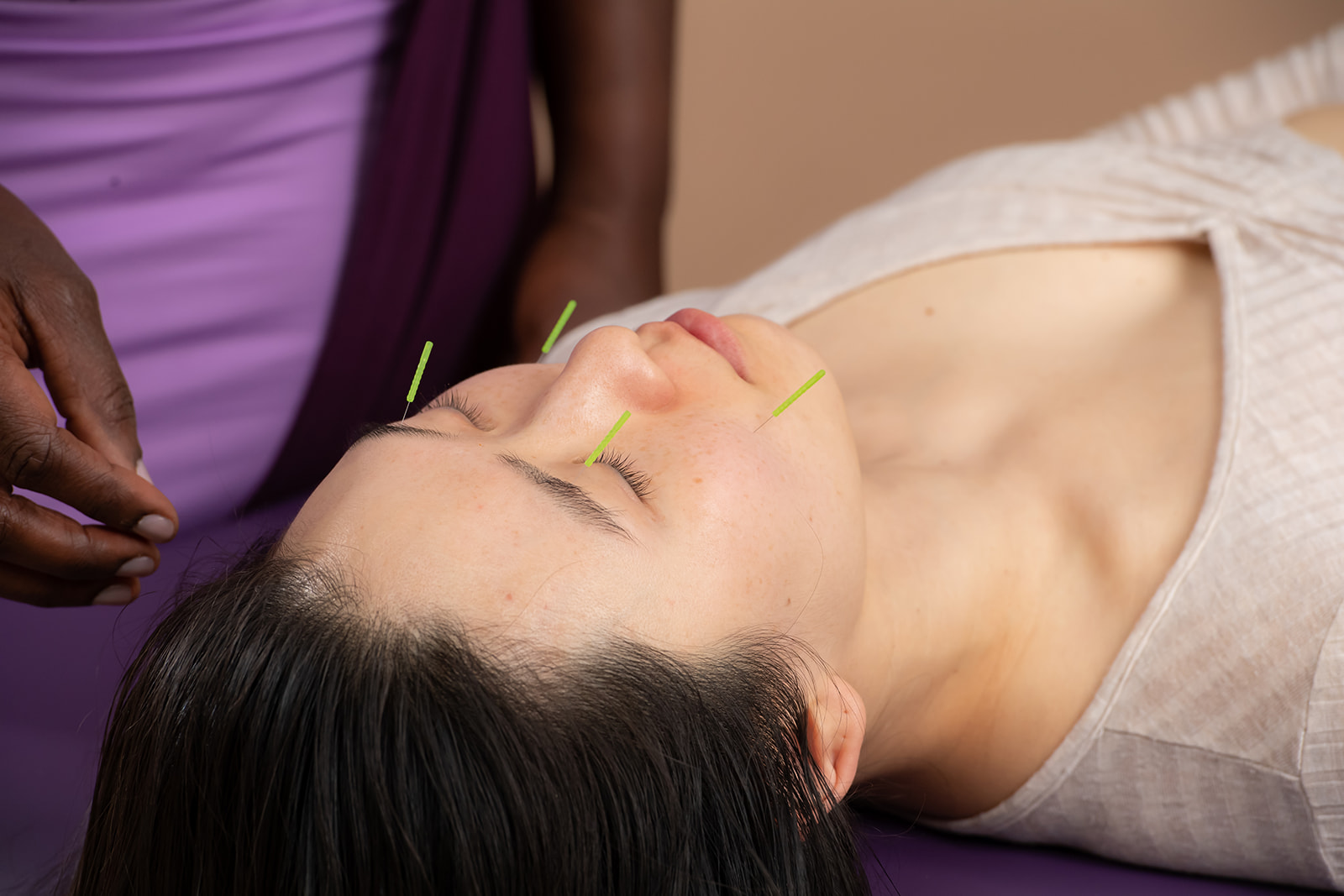
Chinese Medicine-based treatments aligning mind, body, and spirit through strategic meridian therapy. Book Appointment
If you’ve been struggling with chronic pain, you know how frustrating it can be to rely solely on medication. It might help for a short while, but over time, the benefits often fade, and the side effects can pile up. Around 20% of adults worldwide live with chronic pain, and many of them feel stuck in a cycle of temporary relief and long-term frustration.
That’s where the mind-body connection comes into play. Chronic pain isn’t just about your muscles or nerves—it’s deeply tied to your emotional state, stress levels, and even spiritual wellbeing. That’s why holistic treatment for chronic pain focuses on the whole person, not just symptoms.
Get expert tips on healthy living and aging gracefully at 40 and beyond from me.
Elevate Your Spirit: Receive Transformative Guidance Straight To Your Inbox
Success! Now check your email to confirm your subscription.
What Is Holistic Treatment for Chronic Pain?
Holistic care isn’t a single therapy—it’s an approach that looks at all aspects of your health. Instead of just masking pain with pills, it asks: How can we support your body, mind, and spirit to heal together?
Physical therapies like acupuncture, massage, and yoga
Emotional support through mindfulness, cognitive behavioral therapy (CBT), or spiritual coaching
Nutritional and lifestyle adjustments to reduce inflammation and stress
The goal isn’t just pain relief—it’s sustainable healing that improves your quality of life.
The Mind-Body Connection in Chronic Pain
Ever noticed how your pain flares up when you’re stressed or emotionally drained? That’s not a coincidence. Research shows that up to 50% of chronic pain patients also struggle with anxiety or depression, reinforcing how closely our mental and physical health are linked.
Here’s the science behind it:
Stress increases cortisol, which can heighten pain sensitivity.
Negative emotions (like fear or frustration) amplify pain signals in the brain.
Relaxation techniques (meditation, deep breathing) can actually reduce pain perception.
When we ignore the mind-body connection for pain relief, we’re only treating half the problem.
Key Elements of Holistic Treatment for Chronic Pain
No two people experience pain the same way, so treatment should be personalized. Here are some of the most effective approaches:
Therapy
How It Helps
Best For
Acupuncture
Restores energy flow, reduces inflammation, and triggers natural pain relief.
Nerve pain, muscle tension, migraines
Mindfulness/CBT
Rewires the brain’s response to pain and lowers stress hormones.
Addresses emotional blocks and fosters resilience.
Long-term emotional healing
Physical Therapy
Improves mobility, reduces stiffness, and prevents further injury.
Back pain, joint issues
Combining these therapies—like pairing acupuncture with spiritual coaching—creates a multiplier effect, where each method enhances the others.
Reducing Reliance on Medication: Why It Matters
Medications like opioids might offer short-term relief, but they come with serious risks:
Dependence and addiction (especially with long-term use)
Diminished returns (your body builds tolerance, requiring higher doses)
Side effects (fatigue, digestion issues, mood swings)
Studies show that holistic pain management techniques, like yoga and acupuncture, can be just as effective—if not more—for long-term relief.
Personalizing Your Holistic Pain Management Plan
Your pain is unique, so your treatment should be too. A good holistic practitioner will:
Assess your lifestyle, stressors, and emotional health (not just your physical symptoms).
Tailor a plan that aligns with your goals—whether that’s reducing inflammation, improving sleep, or reclaiming joy.
Adjust as needed—because healing isn’t linear.
This could mean starting with CBD oil for inflammation, then layering in meditation for stress, followed by nutritional tweaks to support recovery.
Empowering Patients: Taking Charge of Your Healing
One of the biggest benefits of holistic treatment for chronic pain is that you become an active participant in your healing. Instead of passively waiting for relief, you learn tools like:
Breathwork to calm your nervous system
Gentle movement (like tai chi or yoga) to rebuild strength
Journaling or coaching to process emotional triggers
Over time, these skills don’t just reduce pain—they build resilience, so you’re better equipped to handle flare-ups.
The Long-Term Impact of Holistic Care
When you address pain holistically, the benefits go beyond physical relief:
Improved mental health (less anxiety, better sleep)
Greater functionality (returning to activities you love)
Lower healthcare costs (fewer ER visits, less reliance on meds)
It’s not about abandoning conventional medicine—it’s about enhancing it with therapies that treat the root cause.
So, if you’ve ever felt like your pain is “just something you have to live with,” I’m here to tell you: it doesn’t have to be that way. By nurturing the mind-body connection, exploring non-medication pain relief methods, and taking a whole-person approach, lasting relief is possible.
Ready to explore what that looks like for you? Let’s start the conversation.
Facing infertility can feel overwhelming, but fertility acupuncture may provide a path forward. This ancient practice helps regulate hormones, improve blood flow, and reduce stress—key factors in conception. Many couples have found hope through this gentle, evidence-based approach.
Did you know your gut and skin are deeply connected? A healthy digestive system can be the key to natural skin healing. We break down the science and share simple ways to improve both for a radiant complexion. Dive in to see how small changes can make a big difference.
If unexplained anger or irritability has taken over your life, perimenopause could be the culprit. Hormonal fluctuations during this transition phase can turn even small frustrations into overwhelming rage. Here’s what’s really happening—and how to find relief.
CARRINNA Founder, Carine Camara, spearheads the inaugural Joyful Aging Summit on January 20, 2024, at Pillar Cowork and Childcare in Lafayette, CA. Carine, a licensed acupuncturist and wellness advocate, champions a movement celebrating natural beauty and holistic wellness among women over 40. The event features local midlife health pioneers, including Functional Medicine Doctor Dr. Shiroko, Naturopathic Doctor Dr. Vera Singleton, and more. This groundbreaking summit redefines aging, fostering a positive approach to health and joy. Contact Carine for insightful interviews on joyful aging and optimal health.