
From Rage to Renewal: Understanding Perimenopause Anger and How to Cope

Share

In this Article

Key Takeaways

Topic Summary
Hormonal Causes Estrogen/progesterone fluctuations disrupt serotonin and spike cortisol, triggering the amygdala’s rage response.
Emotional Signals Anger manifests as short fuses, resentment, or outbursts—serving as signals for unmet needs like rest or boundaries.
Brain-Body Link Estrogen decline weakens the prefrontal cortex while heightening amygdala sensitivity, impairing emotional regulation.
Tracking Patterns Logging triggers, physical symptoms, and reactions reveals connections (e.g., sleep deprivation → irritability) for targeted intervention.
Holistic Coping Acupuncture balances qi to lower cortisol, while lifestyle adjustments (sleep, blood sugar, movement) reduce inflammation and stress.
Recommended Services and Products
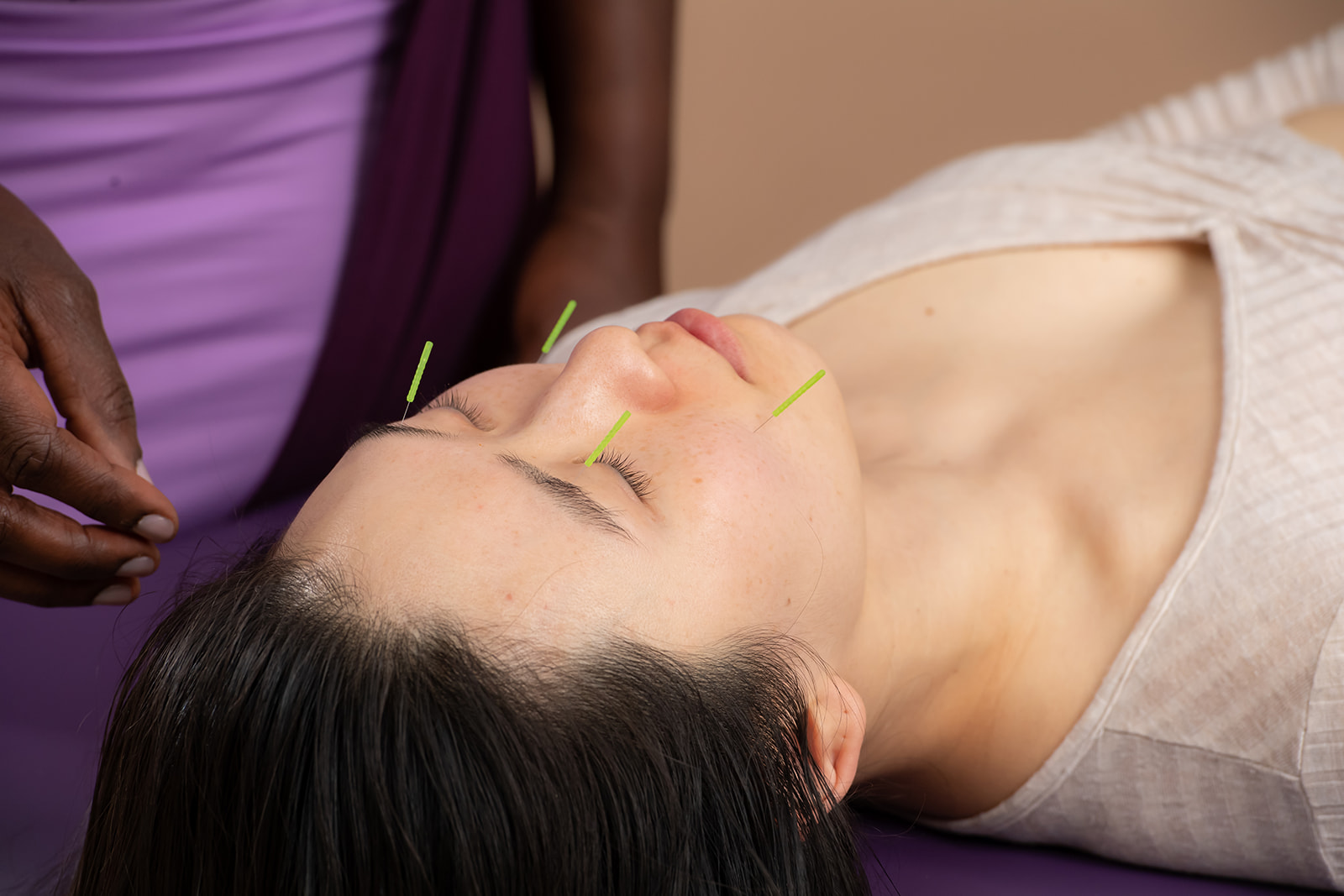
East Bay Acupuncture Accupunture service 1 Professional acupuncture services that reduce cortisol, boost serotonin, and restore energetic balance to ease perimenopause symptoms. Book Appointment

If you’ve been snapping at loved ones, feeling like a volcano ready to erupt, or just done with the world lately—you’re not broken. You’re likely navigating perimenopause anger, a natural yet overwhelming side effect of hormonal chaos. At Carrinna, I’ve worked with countless women (and experienced it myself) who go from rage to renewal by understanding the why behind the fire and learning actionable ways to cope.

From Rage to Renewal: Why Perimenopause Anger Happens

Your brain isn’t betraying you—it’s reacting to a hormonal storm. Estrogen and progesterone fluctuations disrupt serotonin (your “calm” hormone) and amplify cortisol (your stress hormone). This combo hits your amygdala—the brain’s alarm system—like a bullhorn, turning minor annoyances into rage triggers.

Website image

Get expert tips on healthy living and aging gracefully at 40 and beyond from me.

Join Our Spiritual Wellness Journey: Subscribe for Weekly guidance & Insights

Elevate Your Spirit: Receive Transformative Guidance Straight To Your Inbox

Here’s what’s really happening:

  • Estrogen drops weaken serotonin’s mood-stabilizing effects.
  • Progesterone decline spikes cortisol, making you reactive.
  • Sleep disruption from night sweats or insomnia fuels irritability.

Research shows 70% of women cite irritability as their top perimenopause symptom, and nearly all report mood shifts. So if you’re thinking, Why am I so angry during perimenopause?—it’s biology, not willpower.

Managing Mood Swings During Perimenopause: Validation First

Anger isn’t a flaw; it’s a signal. Maybe your body’s screaming for rest, boundaries, or support. Instead of judging yourself (“I should handle this better”), try reframing: This is my nervous system asking for help.

Common manifestations of perimenopause rage symptoms:

  • Short fuse: Patience evaporates over tiny things (e.g., a partner chewing loudly).
  • Resentment: Feeling unappreciated or overwhelmed by unmet needs.
  • Emotional outbursts—crying or yelling, then wondering, Where did that come from?

How to Control Anger in Perimenopause: Start with Tracking

Patterns help. For one month, note:

Trigger Physical Symptom Emotional Response
Deadline at work Night sweat Yelled at coworker
Teen’s messy room Fatigue Cried in frustration

Spotting links (e.g., sleep deprivation → shorter temper) empowers you to intervene.

Brain Changes and Body Responses: The Science of “Why Can’t I Chill?”

When estrogen dips, your amygdala becomes hyper-vigilant—like a smoke detector set off by toast. Meanwhile, the prefrontal cortex (your “rational boss”) weakens, making emotional regulation harder.

This explains:

  • Sudden rage over trivial things (lost keys = apocalyptic fury).
  • Heightened sensitivity to criticism or noise.

Worse with: Poor sleep, high stress, or a diet full of processed sugars (which spike cortisol).

Practical Coping: From Survival to Renewal

1. Calm the Nervous System with Acupuncture

As an intuitive acupuncturist, I’ve seen how balancing qi (energy flow) dials down the body’s stress response. Studies show acupuncture lowers cortisol and boosts serotonin, easing perimenopause mood swings and irritability.

2. Small Shifts for Big Impact

  • Sleep: Cool room, magnesium before bed.
  • Blood sugar: Protein + fiber every 3–4 hours to prevent cortisol spikes.
  • Movement: Yoga or walking—gentle exercise lowers inflammation linked to mood swings.

Emotional Processing: The Deeper Work

Sometimes, rage masks grief—about aging, changing roles, or lost vitality. spiritual coaching helps here, uncovering buried emotions so they stop leaking out as anger. Think of it as emotional decluttering.

Example: A client’s fury at her spouse eased when she connected it to fear of becoming “invisible” post-menopause. Awareness led to compassionate communication.

The Takeaway

perimenopause anger isn’t forever. It peaks during the transition, then stabilizes. Until then, meet your body with curiosity, not criticism. Need personalized support? Let’s chat—whether it’s acupuncture for nervous system relief or coaching to untangle the emotions beneath the rage. Renewal isn’t just possible; it’s waiting for you.


Carrinna combines evidence-based holistic care with spiritual depth to help women navigate perimenopause without losing themselves. No hype—just real tools for real healing.

Share
Pin
Tweet
Related
Comments

What do you think?